
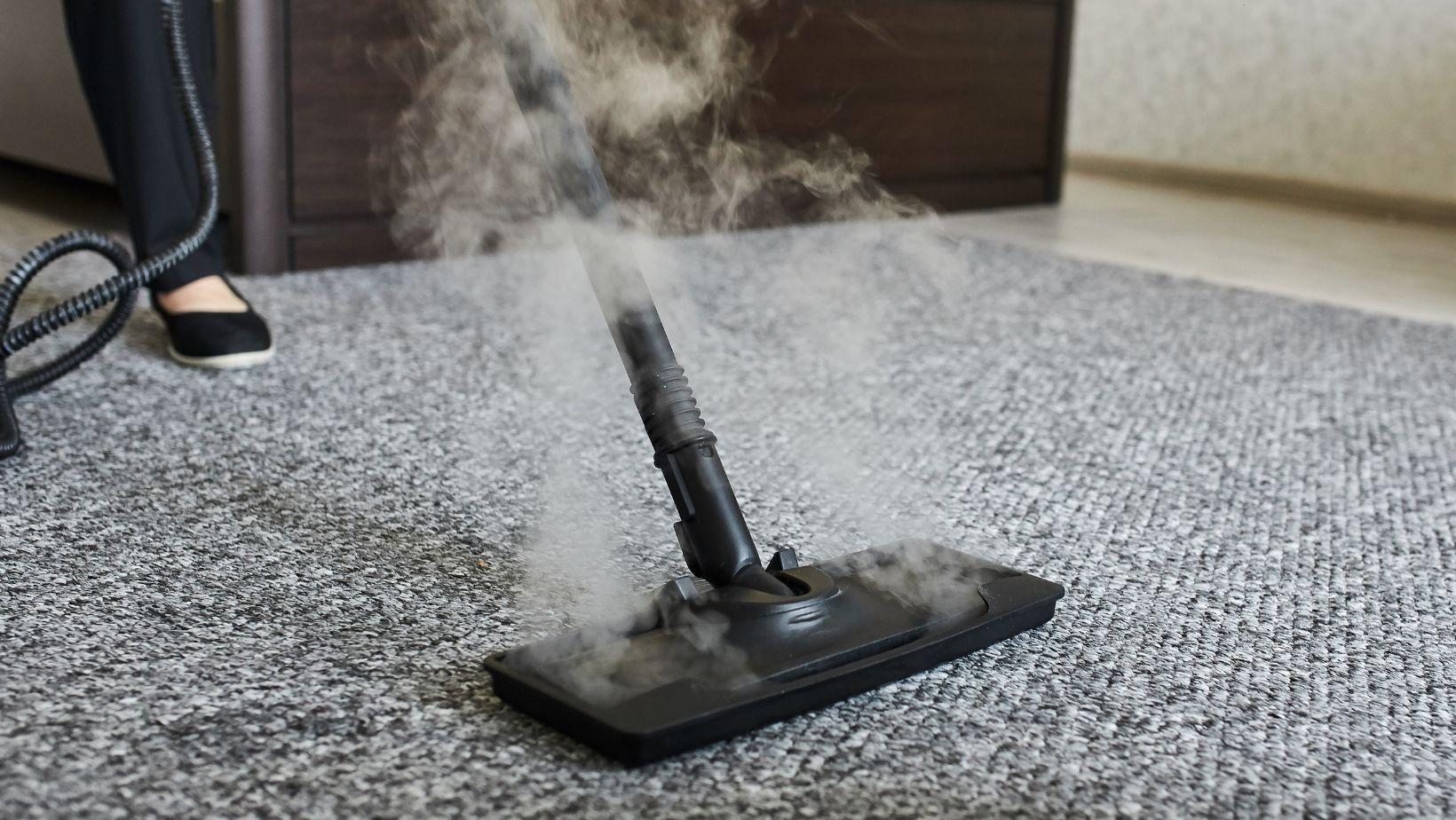

You vacuum every week, maybe even twice if you’re feeling productive. Your carpet looks fine, smells acceptable, and nobody has complained. So, naturally, you assume everything underneath is just as presentable.
But beneath that surface, there’s a collection of dust, crumbs, and skin cells. And no matter how thorough your vacuuming technique is, the grime buried deep in the pile barely shifts. So, keep reading to find out what’s building up down there and how to deal with it.
Fine Dust Particles
Everyday dust doesn’t simply land on top of your carpet and stay there. The finer particles work their way deep into the pile, pushed further down every time you walk across the room.
You’ll notice this most in busy areas like hallways and living rooms, where the constant foot traffic grinds dust deeper with every step. Once those particles reach the lower layers, your vacuum can’t pull them back out effectively.
So, you end up with a carpet that feels slightly gritty underfoot, even right after you’ve cleaned it. And if you live near a busy road or in a built-up area like Clapham, the amount of fine particles drifting in through open windows only makes the buildup worse.
Crumbs and Food Debris
Those biscuit crumbs you dropped during a Netflix marathon three months ago may have vanished from sight, but they’re still down there somewhere. Small food particles settle between the fibres and gradually work their way deeper, especially in thick or textured piles.
Once they’re buried, they attract bacteria and moisture. Worse yet, in the warmer months, they can draw in insects that are perfectly happy to move in where the snacks are.
Your kitchen doorway and the sofa area tend to be the worst zones for this kind of buildup. Because you can’t see it, the problem is easy to ignore until your carpet starts looking worn or developing an odd smell.
Pet Hair and Dander
If you share your home with a dog or cat, you’re dealing with far more than the occasional visible tuft of fur. Pet hair wraps itself around the fibres and clings on for the long haul.
But the hair you can see is only part of the picture. Dander, those microscopic flakes of skin your pet sheds constantly, drifts straight down into the pile and settles near the base. You won’t spot it, but anyone with allergies will certainly feel it.
A vacuum with a HEPA filter will do a better job than most at reaching below the surface. Just keep in mind that even the fanciest model has its limits when your Labrador is shedding 24/7.
Dirt from Outside
Your shoes pick up more than you’d think during a quick trip to the shops. Soil, grit, road dust, and all sorts of outdoor debris hitch a ride on your soles and get deposited straight into your carpet the moment you step inside.
Every trip across your hallway pushes that material further into the pile, and busy entrances take the brunt of it. Over time, the grit wears down the fibres from the inside out, acting like sandpaper with every step.
While a doormat can help, it’ll only catch a fraction of what comes in.
Spills and Sticky Residue
A spill doesn’t always stay where you can see it. Liquids travel quickly down through the pile, and even after you’ve blotted the surface, the residue often lingers deeper in the fibres.
That leftover stickiness then acts like a magnet. Dust, hair, and crumbs all cling to it, creating a concentrated patch of grime that becomes darker over time.
Tea, juice, and sugary drinks are particularly stubborn. And because the British weather keeps us indoors with a cuppa more often than not, your carpet has probably seen more Earl Grey than you’d care to admit.
How to Get Rid of Carpet Dirt
Now that you’ve worked out where the dirt is coming from, it’s time to deal with it. Start with the simplest method, and move on to stronger ones only if you need to.
- Vacuum the carpet. Use slow, overlapping passes instead of rushing across the room like you’re running a marathon. This will give your vacuum enough time to lift the dirt sitting in the lower layers of the pile.
- Pre-treat stains and residue. Apply a suitable stain treatment to any visible marks or heavily soiled areas. Then, let it sit for the recommended time so the product can break down sticky deposits and loosen stubborn dirt.
- Clean the fibres. Work a carpet cleaning solution through the pile using a machine or a good-quality brush. This way, you’ll be able to pull up the dirt that’s embedded deep in the fabric.
- Check problem areas. Go back over your high-traffic sections and any spots that looked particularly grimy. Some marks need a second round, especially if they’ve been sitting there for months.
- Dry the fabric thoroughly. Open your windows, switch on a fan, or let the AC do its thing. Damp carpet fibres create the perfect conditions for mould, and that’s a problem you definitely don’t want to add to the list.
Professional Carpet Cleaning
If you vacuum regularly but your carpet still feels gritty or has a faint smell that won’t go away, you’re probably dealing with heavy build-up your home equipment can’t handle.
Professional services use hot water extraction and industrial-grade machines that reach the base of the pile. This helps flush out the deep-seated dirt, allergens, and residue that have been accumulating over months or years.
This is especially worth considering if allergies have been flaring up at home for no obvious reason. If you’re looking for carpet cleaners, Clapham has plenty of providers who can assess the fabric type first and choose the right method to avoid damaging the fibres.
A professional cleaning session once or twice a year will keep your rug fresh and extend its lifespan considerably.
Conclusion
You don’t need to rip out your carpet and switch to bare floorboards just because there’s dirt hiding beneath the surface. A few consistent habits and the occasional deep cleaning session will keep you well ahead of the problem.
So, pick an area, grab your trusty vacuum, and work your way through. You’ll notice the difference the moment you step back into the room.