

A local callout usually follows a straightforward pattern, from the first phone call through to a finished job with the right paperwork.
South Chiswick’s mix of riverside terraces, mansion block flats and Edwardian semis means an electrician often sees a wide range of wiring ages in a single week.
Here’s what to expect at each stage so the whole process is clear and feels far less like a gamble.
Booking A Callout And Response Times
Most callouts start with a short phone call or online enquiry describing the issue. Being really specific helps here, since mentioning whether it’s a single socket, a full circuit or the whole property narrows things down before anyone arrives.
Response times vary depending on urgency and availability. A dead circuit or a burning smell usually gets a same-day visit, while routine jobs like adding a socket or fitting a new light are often booked a few days out.
Weekday mornings tend to have more availability than late afternoons, when callouts from earlier in the day can overrun. Booking a rough time window, rather than an exact hour, also tends to give a more accurate picture of when someone will actually arrive.
South Chiswick’s parking can add a little time to a visit, particularly near the high street and around Grove Park, so mentioning available parking or a permit when booking helps things run smoothly.
A few details are worth having ready before that first call:
- Whether the problem affects one room, one circuit or the whole property.
- How long the property has been lived in and roughly when it was last rewired.
- Whether it’s a house, a flat, or part of a mansion block with shared services.
- Any recent building work, such as an extension or a new kitchen.
What Happens During The Initial Visit
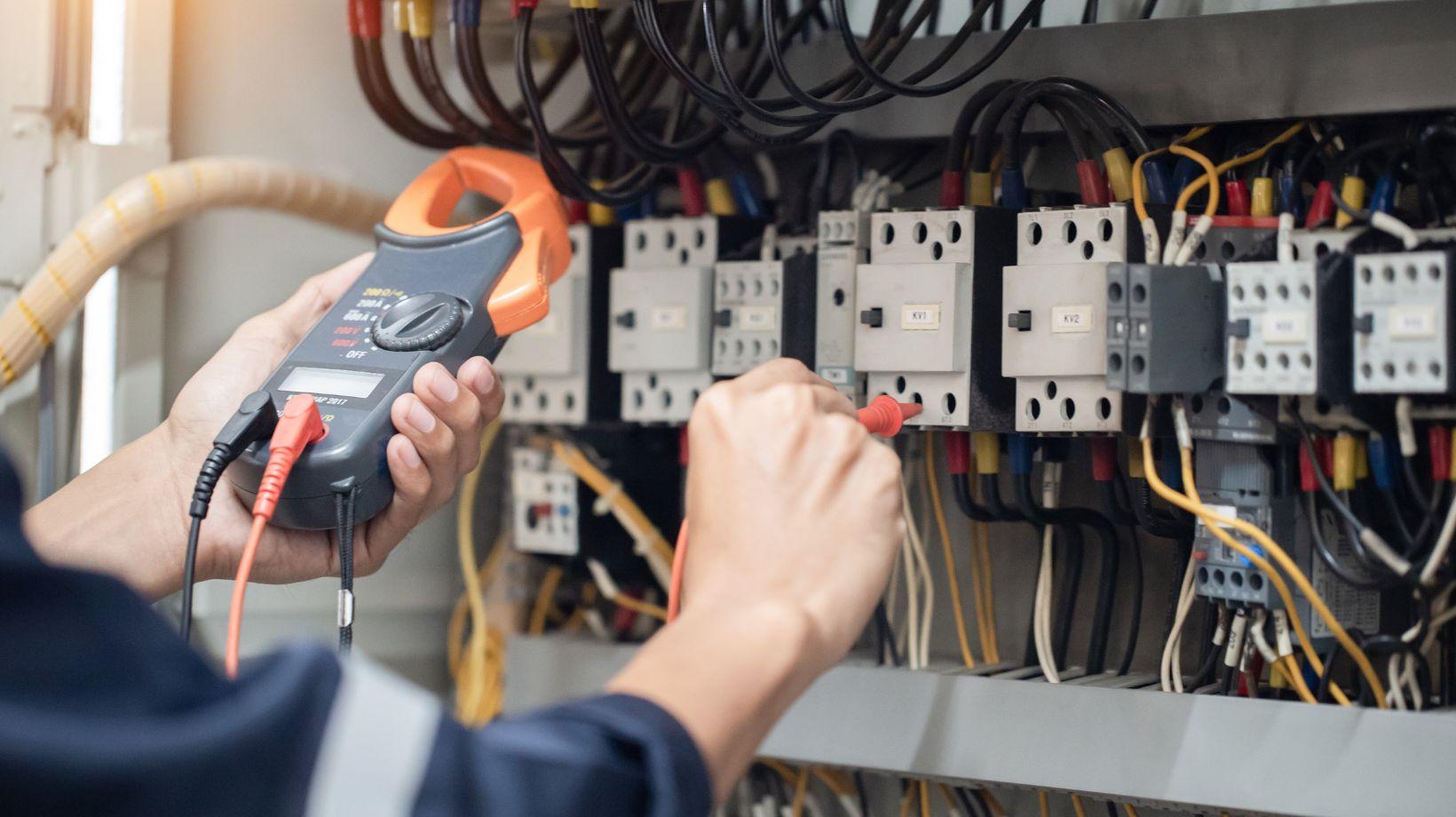
An electrician typically starts by asking what’s happened and when the issue first appeared, before testing the affected circuit directly. This first look usually takes 10 to 20 minutes, depending on how straightforward the issue is.
Having easy access to the fuse box and the affected area speeds things up considerably. A cluttered cupboard hiding the consumer unit is a small thing, but clearing it beforehand saves everyone a few minutes at the start of the visit.
For anything beyond a simple fix, a bit more investigation follows. That might mean checking the consumer unit, testing nearby sockets, or briefly switching off circuits to pinpoint the exact cause of the problem.
Once the cause is clear, the electrician should explain what’s wrong in plain terms and set out the options for fixing it. This is the point to ask questions about timing, cost and whether the fix is temporary or permanent.
It’s also reasonable to ask what caused the fault in the first place, especially in a period property where several issues can share the same root cause. A good explanation should make sense without requiring any technical background.
Common Jobs In South Chiswick Homes
Mansion block flats near the river often need work on shared consumer units or communal lighting circuits, which may require coordinating with a managing agent before any work starts.
Older Edwardian terraces, meanwhile, frequently need rewiring in stages as rooms are renovated one at a time.
Homes with a mix of old and new wiring are one of the most common jobs in the area, since previous owners often upgraded some circuits but left others untouched.
Kitchen and bathroom extensions are also frequent callouts, as these rooms have stricter safety requirements than the rest of a home.
Outdoor sockets and garden lighting also come up often, particularly in the larger rear gardens farther from the high street. Loft conversions bring their own set of jobs, since new circuits often need to tie into an older consumer unit that wasn’t designed for the extra load.
Costs And Quotes To Expect
A straightforward callout, such as fixing a single faulty socket or diagnosing a tripping circuit, is usually quoted as a fixed price once the electrician has seen the problem. Larger jobs, such as partial rewiring or a new consumer unit, receive a written quote after the initial assessment.
Getting a written quote before work starts, rather than relying on a verbal estimate, avoids confusion later. A clear quote should break down labour, materials and any additional costs, such as scaffolding or extra time for period wiring that needs careful handling.
It’s worth asking whether the price is fixed or could change once work is underway. Older properties sometimes reveal a second issue once a wall or floor is opened up, so knowing in advance how that’s handled avoids any surprise at the end.
Certification And Paperwork After The Job
Any electrical work must comply with UK wiring regulations, and certain jobs are legally required to be certified upon completion. A minor repair, like replacing a socket, usually doesn’t require formal paperwork, but rewiring, consumer unit replacements, and new circuits do.
For notifiable work, this typically means a building control notification and an electrical installation certificate confirming the work meets current safety standards.
Keeping this paperwork on file matters for insurance and for any future sale of the property, so it’s worth asking for a copy before the electrician leaves.
Flat owners in South Chiswick’s mansion blocks should also check whether the freeholder or managing agent needs a copy for their own records, particularly when the work touches a shared consumer unit or communal circuit.
This is worth raising before the job starts, rather than chasing paperwork afterwards.
Conclusion
As you can see, a local callout to a qualified electrician in South Chiswick generally follows the things listed above. Remember that being clear and straightforward about the issue and the property’s wiring history when booking helps everything move faster.
So, before the electrician arrives, jot down when the problem started and which rooms or appliances are affected, and have any past paperwork to hand. That small bit of preparation makes the whole visit smoother from start to finish.