
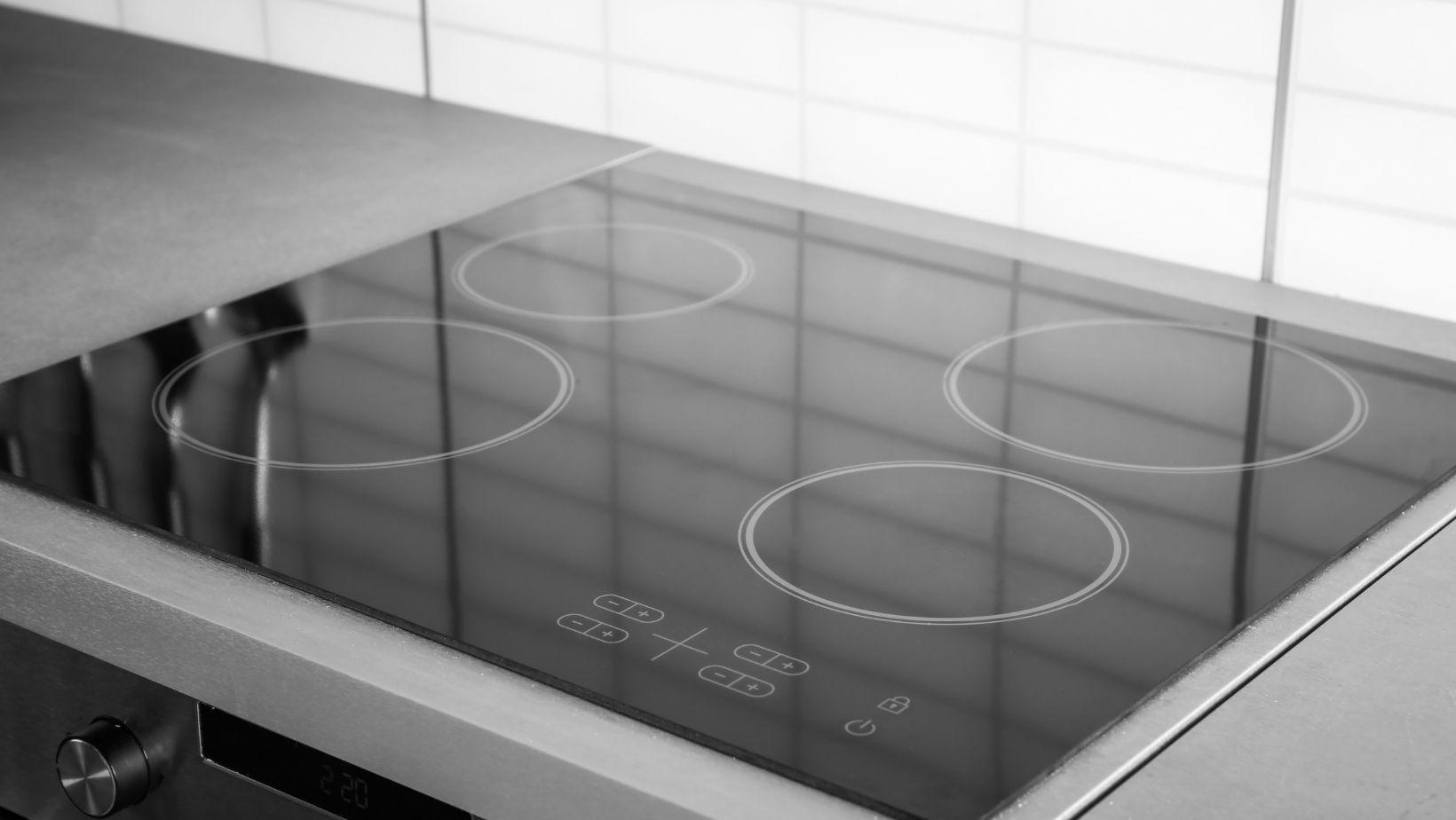

A cooktop can become a problem surprisingly quickly. One burner stops heating, the ignition keeps clicking, or the controls respond only occasionally, and an ordinary cooking routine is interrupted. The cause is not always obvious. Electric, gas, and induction models rely on different components, so diagnosis depends on the appliance type and its symptoms. Knowing the common failure points can help determine when a simple check is enough and when professional cooktop repair near me is the safer option.
Burners Won’t Heat Properly
Poor heating is one of the most common complaints. On an electric model, the heating element may be damaged, but the fault can also involve the switch, wiring, sensor, connection, or power supply.
Useful clues include:
- One burner fails while the others work normally.
- Several burners stop heating at the same time.
- A burner heats slowly or unevenly.
- The temperature changes without adjustment.
- The cooktop repeatedly loses power.
When only one zone is affected, the problem may be limited to its element or control circuit. Multiple failed zones can point to a broader electrical issue. Professional diagnostics help identify the faulty component without replacing parts unnecessarily.
Controls, Ignition, and Temperature Problems
Controls can become unreliable with age. A knob may no longer regulate heat correctly, while a touch panel may ignore commands or show recurring error codes. Sensors, switches, wiring, and electronic boards can all be involved.
Gas cooktops have additional warning signs. Persistent clicking after ignition, failure to ignite, or unusual flame behavior may indicate a problem with the ignition system or burner components.
Some issues have simple external causes, such as moisture or food residue. If the problem continues after the appliance has cooled and accessible areas have been cleaned and dried, further troubleshooting should be left to a qualified technician.
What Homeowners Can Safely Check
A few basic checks can provide useful information without opening the appliance:
- Check whether an electric cooktop has power.
- Look for a tripped breaker.
- Make sure the controls are set correctly.
- Check visible gas burner ports for residue after cooling.
- Allow damp ignition areas to dry completely.
- Determine whether one burner or the whole cooktop is affected.
- Look for cracks, scorching, or other physical damage.
- Record any error codes on the display.
These checks should remain external. Internal electrical components, gas valves, wiring, and live circuits are not suitable for trial-and-error repairs. A gas smell, sparking, damaged wiring, or serious glass damage requires immediate caution and professional attention.
When to Call a Cooktop Repair Professional
Professional diagnostics make sense when the fault keeps returning or cannot be explained by a basic external check. This is especially important when the problem involves electricity, gas, ignition, or internal electronics.
A technician should assess the appliance when:
- A burner remains cold despite a working power supply.
- Several cooking zones fail unexpectedly.
- The ignition keeps clicking or does not light the burner.
- Heat levels fluctuate without control changes.
- The touch panel or knobs behave unpredictably.
- Error codes continue to appear.
- The cooktop trips the breaker.
- Internal wiring or components may be damaged.
- The glass surface has a significant crack.
The repair process starts by identifying the symptoms and checking the relevant components. Once the cause is established, the technician can determine whether a part needs repair or replacement. FixMaster focuses on local appliance diagnostics and on-site repair, with same-day service available in its coverage areas when scheduling and repair requirements allow.
Cooktop failures can range from a worn heating element to a faulty switch, ignition component, sensor, connection, or control board. Electric, gas, and induction models require different diagnostic approaches. Homeowners can safely check power, visible residue, settings, and obvious damage, but internal electrical and gas work should not be improvised. When a burner repeatedly fails, controls become unreliable, ignition problems persist, or a safety concern appears, professional diagnostics can identify the fault and help prevent a minor appliance problem from becoming more serious.