
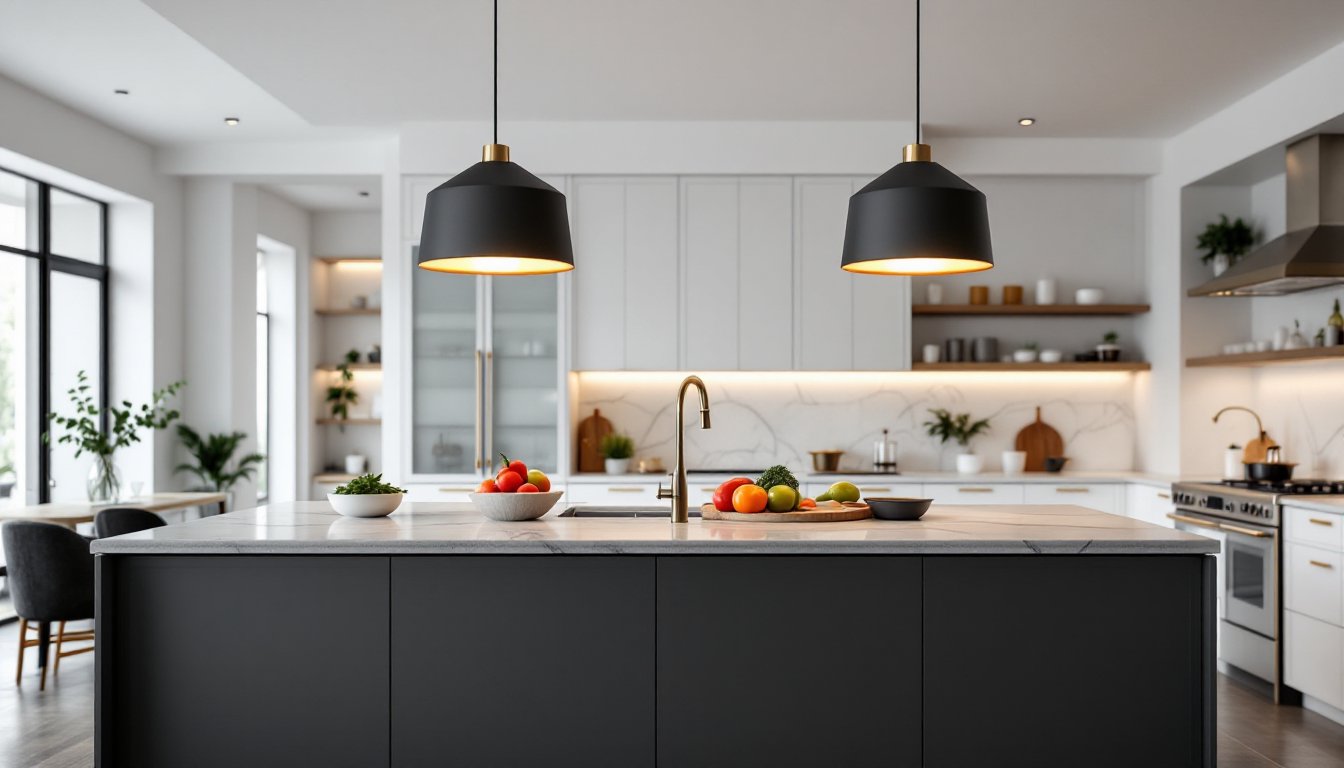

Kitchen island lighting isn’t just about visibility anymore, it’s a design statement. Contemporary modern kitchen island lighting combines clean lines, minimalist aesthetics, and functional brightness to create a focal point that works as hard as the counter below it. Whether someone’s renovating from scratch or upgrading an existing island, the lighting choice sets the tone for the entire kitchen’s atmosphere. This guide walks through the essentials: what contemporary modern actually means in lighting design, which fixture types deliver both form and function, how to nail brightness and color temperature, and where to position fixtures for maximum impact. Getting it right means a kitchen that looks intentional, feels inviting, and actually does its job.
Key Takeaways
- Contemporary modern kitchen island lighting combines clean lines, minimalist aesthetics, and functional brightness to create an intentional focal point that announces itself as part of the design.
- Pendant lights remain the most versatile fixture choice for kitchen islands, with spacing of 24 to 30 inches apart and a shade diameter no more than half the island’s width for balanced visual impact.
- Task lighting over an island requires 300 to 500 lux (40 to 60 watts per 2-square-foot area) with warm white bulbs at 2700K to 3000K to balance functionality and residential comfort.
- Linear track lighting solutions offer exceptional flexibility and clean appeal, especially in open-concept kitchens, though they require hardwired electrical installation through the ceiling.
- Dimmable LED bulbs with CRI above 90 are essential for contemporary modern kitchens, allowing mood adjustment throughout the day while ensuring natural food color perception during meal prep.
- Confirm ceiling height, electrical feasibility, and finish coordination before purchasing fixtures, as mismatched metals read accidental rather than intentional in contemporary design.
Understanding Contemporary Modern Design for Kitchen Islands
Contemporary modern design for kitchen islands strips away ornament and embraces geometry, negative space, and material honesty. Think clean metal finishes, matte black, brushed brass, or polished chrome, paired with glass, ceramic, or even concrete elements. The fixtures themselves tend toward geometric shapes: cylinders, spheres, linear bars, or asymmetrical forms that feel intentional rather than decorative.
The key difference from “modern” alone is that contemporary is living, breathing, and evolving. It borrows from mid-century modernism but doesn’t commit to a single era. A contemporary modern kitchen island might pair a 1970s-inspired pendant with a sleek track system, and it works because both share the same design DNA: simplicity, functionality, and restraint.
When evaluating fixtures, look for pieces that solve a problem first and look good second. Recessed spots hidden above the island aren’t contemporary modern, they’re invisible. But a statement pendant that casts warm light and defines the space absolutely is. The lighting should announce itself as part of the design, not hide in the shadows.
Essential Lighting Styles and Fixture Types
Pendant Lights and Their Modern Variations
Pendants remain the workhorse of contemporary modern kitchen island lighting. A single large pendant works for narrow islands: two or three smaller ones suit longer surfaces. Contemporary versions typically feature metal shades (often matte or satin finishes) in dome, cylindrical, or irregular shapes, sometimes paired with clear or frosted glass.
When choosing pendants, measure the island width first. A common rule: place fixtures roughly 12 inches from each end, with pendants spaced 24 to 30 inches apart for a balanced look. On a 5-foot island, two pendants work: on an 8-foot island, three is typical. The shade diameter should be no more than half the island’s width to avoid visual heaviness and maintain sightlines across the counter.
Look for pendants with dimmable LED bulbs, this is non-negotiable for contemporary kitchens. Dimmability lets someone adjust from bright task lighting during meal prep to softer ambient light during dinner. Adjustable height is also crucial: modern pendants hang 30 to 36 inches above the countertop, but some islands sit taller or shorter depending on ceiling height and sightline preferences.
Linear and Track Lighting Solutions
Linear fixtures, long, unbroken bars of light, are having a moment in contemporary design. A sleek aluminum track with integrated LED strips or individual spotlights aligned along the island’s centerline delivers clean, modern appeal and exceptional control. These work especially well in open-concept kitchens where the island faces a living area: the linear form emphasizes the island’s length and creates visual continuity.
Track lighting offers flexibility: each fixture can rotate and aim, making it ideal for islands with varied tasks (prep work at one end, dining at the other). Contemporary track systems come in matte black, brushed nickel, or even powder-coated colors. The caveat: track requires a hardwired connection, so installation involves running electrical through the ceiling. If that’s not feasible, pendant lights or a surface-mounted linear fixture are simpler choices.
Mixed approaches work too. Pair one linear bar with two pendants flanking it, or use track on half the island and pendants on the other. Contemporary modern thrives on intentional mix-and-match as long as finishes align and the overall composition feels deliberate.
Choosing the Right Brightness and Color Temperature
Task lighting over an island needs at least 300 to 500 lux (roughly 50 to 100 foot-candles) to handle chopping, reading recipes, and inspecting food. That translates to roughly 40 to 60 watts per 2-square-foot area in LED equivalents. Someone planning a 4-foot by 2-foot island should aim for fixtures delivering 150 to 200 watts combined, though actual wattage depends on bulb efficiency and fixture design.
Color temperature matters equally. Warm white bulbs (2700K) create an inviting, residential feel, perfect for islands where family gathers. Neutral white (3000K to 4000K) splits the difference, offering comfort without excessive warmth. Cool white (5000K and above) reads clinical and belongs in commercial kitchens, not homes. For contemporary modern design, 2700K to 3000K is the sweet spot: it feels intentional and residential while supporting accurate color perception during cooking.
Dimmable LED bulbs are essential. They let the island shift moods throughout the day and prevent the harsh, always-on sensation that kills contemporary design. When shopping, look for bulbs rated for dimmer compatibility: not all LEDs play well with older dimmer switches. CRI (Color Rendering Index) above 90 ensures food colors appear natural, especially important near prep zones where someone might be evaluating produce or meat quality.
Installation Placement and Design Considerations
Before ordering fixtures, confirm ceiling height and structural readiness. Modern kitchens often have 8-foot to 9-foot ceilings: pendants hanging 30 to 36 inches above the counter (typically 36 inches high) will sit 32 to 45 inches below the ceiling. If ceiling height is borderline, hang fixtures higher (up to 18 inches above the counter) or choose low-profile pendants that don’t feel like ceiling ornaments.
Wiring is the bigger hurdle. If the island lacks an electrical supply directly above or nearby, running new circuits through walls and ceiling requires opening drywall, fishing cables, and possibly adding a breaker (permit territory in most jurisdictions). If electrical already exists above the island, common in newer renovations, installation becomes much simpler: cut a hole, mount a pancake box, run and connect wires, hang the fixture.
Consider sight lines across the kitchen. Tall, opaque shades over an island facing the living room or dining area create a visual barrier: translucent or open shades maintain flow. In galley kitchens, fixtures shouldn’t block sightlines to opposite counters or appliances.
Finish coordination deserves attention. If the island base is matte black, pairing it with matte black pendant shades and black hardware creates cohesion. Brushed brass fixtures paired with warm wood accents and cream cabinetry signal intentional design. Mismatched finishes (bright chrome, oil-rubbed bronze, and brushed nickel all together) read accidental, not contemporary. Pick one or two metal finishes and stick to them across lighting, hardware, and faucets.
For islands without ceiling access directly above, surface-mounted linear fixtures or battery-powered LED track systems offer temporary solutions, though they lack the clean, recessed aesthetic that contemporary modern prefers. Professional electricians can assess feasibility: it’s worth the consultation fee ($50 to $150) before purchasing fixtures.
Conclusion
Contemporary modern kitchen island lighting succeeds when it balances aesthetics with honest function. The fixtures should look intentional, whether sleek pendants, sculptural linear bars, or a mixed approach, while delivering appropriate brightness and warmth for cooking, dining, and gathering. Start with ceiling height, electrical feasibility, and island dimensions, then choose fixtures that align with the kitchen’s broader design language. Dimmable LED bulbs and careful placement finish the job, transforming the island from a functional counter into a designed space that works as well as it looks.