
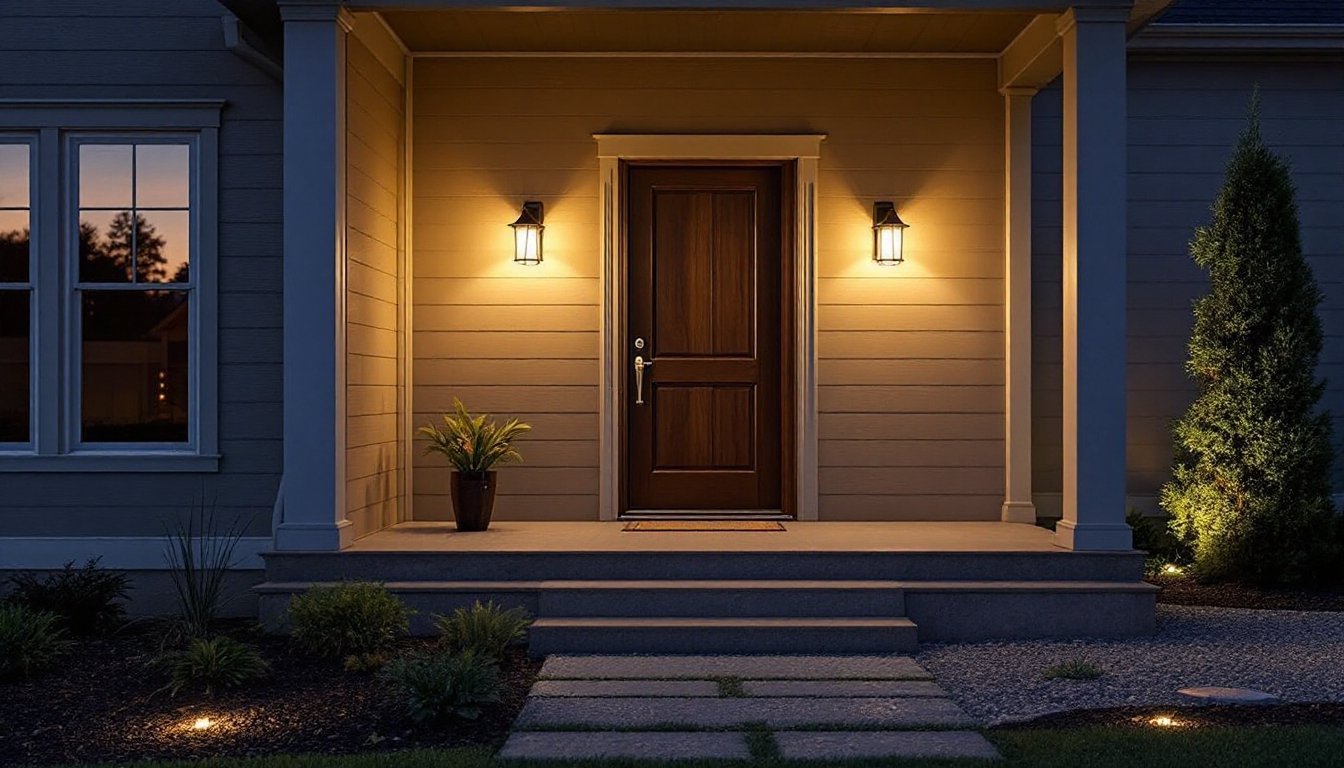

Outdoor lighting transforms more than just the appearance of a home, it extends livable space, improves security, and creates atmosphere for entertaining. But not all outdoor fixtures are built equally. Hinkley Lighting has spent decades engineering fixtures that blend durability, design, and real-world performance. For DIYers tackling outdoor upgrades, understanding what sets Hinkley apart helps narrow the overwhelming selection of styles and specifications. This guide covers the collections, popular options, selection criteria, and installation considerations that turn quality outdoor lighting from a nice idea into a practical investment.
Key Takeaways
- Hinkley Lighting outdoor fixtures are engineered for durability with marine-grade materials, proper drainage design, and weather-resistant finishes that prevent corrosion and water pooling.
- Hinkley organizes outdoor lighting into distinct collections (Coastal, American Classics, Contemporary) allowing homeowners to match a consistent design aesthetic across multiple fixture types and finishes.
- Popular options like the Bolla collection and Harbor View line offer versatility in sizes and applications, from wall sconces to post-mounted lanterns and landscape LED spotlights.
- Proper placement follows simple rules: entry sconces positioned 12-18 inches from the door and 60-66 inches high, while path lights spaced 6-8 feet apart for visual continuity.
- Low-voltage landscape fixtures are DIY-friendly and require no permits, whereas hardwired sconces and ceiling fixtures need GFCI protection and typically require a licensed electrician and local permits.
- Maintenance is straightforward with twice-yearly cleaning and periodic gasket inspection, while integrated LED modules provide 25,000+ hour lifespans without requiring refinishing.
What Makes Hinkley Outdoor Lighting Stand Out
Design Philosophy and Heritage
Hinkley Lighting has manufactured fixtures since 1922, and that longevity shows in their engineering standards. They don’t chase trends, they build products that weather actual seasons. Hinkley fixtures are designed to handle moisture, salt air, UV exposure, and temperature swings without premature corrosion or finish failure.
What separates Hinkley from mass-market alternatives is attention to drainage, gasket design, and material selection. Most outdoor fixtures fail because water pooling in the fixture base or corroded connections compromise the light and lifespan. Hinkley seals and sloped designs prevent standing water. They use marine-grade materials in coastal collections and specify finishes (like their proprietary Heirloom Bronze or Polished Stainless Steel) that resist oxidation.
Their design team balances form and function, fixtures look intentional in a landscape without looking precious. This practical elegance appeals to homeowners upgrading porch lights, pathway fixtures, or landscape accents. For DIYers, it means buying a fixture that performs, not just one that looks good in a showroom photo.
Collections for Every Style
Hinkley organizes their outdoor lines into distinct collections, each with a design language. The Coastal collection uses clean lines and weather-resistant finishes, ideal for modern or transitional homes. If your project leans traditional, the American Classics line includes colonial-style sconces and period-appropriate post lights. The Contemporary collection shifts toward minimalist forms and geometric proportions.
Within each collection, you’ll find fixtures in multiple sizes and finishes. A single sconce design might come in Bronze, Stainless Steel, Black, or Graphite. This modularity matters for DIYers planning a cohesive outdoor scheme. You can mix scales and placements (say, a pair of larger sconces flanking a garage door and smaller uplights in landscape beds) while keeping a consistent finish language.
Fixture types span wall-mounted sconces, flushmount ceiling fixtures for soffits, post-top lanterns, path lights, spotlights, and pendant styles. Choosing a collection first narrows your options by aesthetic, then you select the fixture type and finish for your specific location.
Popular Hinkley Outdoor Lighting Options
The Hinkley Bolla collection sits high on popularity charts for good reason. These fixtures feature a clear, beveled glass shade over a compact light source, classic without fussiness. They work as wall sconces, post-mounted lanterns, or pendant fixtures. Sizes range from 8-inch to 14-inch diameter shades, giving flexibility for different wall heights and spacing.
The Harbor View line caters to coastal and cottage aesthetics with a more transitional, flattering silhouette. The Cascade pendant style suits covered patios or pergolas and reads modern with a hint of industrial character.
For path and landscape lighting, the Landscape family includes stepped LED spotlights and well lights. These are low-voltage fixtures (12V or 24V) powered by a transformer, making them safer for DIY installation than line-voltage hardwired fixtures. LED versions are increasingly standard, offering 25,000+ hour lifespans and energy efficiency without the warm-up lag of older halogen path lights.
One honest note: Hinkley fixtures sit in the mid-to-premium price range. A single wall sconce typically runs $150–$400 depending on size and finish. That investment makes sense for visible entry fixtures or guest-facing areas, but budget-conscious DIYers might reserve Hinkley for key locations and use complementary mid-range fixtures elsewhere.
Choosing the Right Fixture for Your Space
Start by mapping where light serves a function. Entry doors, walkways, and decking need ambient brightness and task visibility. Accent lighting, uplighting a tree, highlighting architectural details, adds depth. Ambient porch or patio overhead fixtures set the overall tone.
For entry sconces, a pair flanking a door often looks intentional and provides balanced illumination. Rule of thumb: position sconces 12–18 inches out from the door frame and 60–66 inches up from the finished floor. This height suits most faces without glare. If your door is wider than 36 inches, consider larger 12–14 inch fixtures: narrow entryways work with 8–10 inch profiles.
Path lights should space roughly 6–8 feet apart to create visual continuity without over-lighting. Post-mounted lanterns work at the end of driveways or entry gates, again, spacing depends on desired brightness. Most Hinkley post-top fixtures accommodate 4×4 lumber posts (actual dimension 3.5 × 3.5 inches), a standard in residential construction.
Consider finish in context. Heirloom Bronze reads traditional and warm. Stainless Steel suits modern or contemporary schemes but shows fingerprints and requires more frequent cleaning in humid climates. Black (typically powder-coated aluminum) bridges both and resists salt spray well. Check your home’s existing metalwork, door hardware, gutter finish, or exterior trim, and let that guide your choice.
Installation and Maintenance Tips
Hardwired wall sconces and ceiling fixtures require turning off power at the breaker and running new electrical circuit or tapping an existing one. If you’re not confident with electrical work, hire a licensed electrician. Outdoor circuits should be on a GFCI breaker (ground-fault circuit interrupter) per the National Electrical Code (NEC). Most jurisdictions require permits for new outdoor circuits, so check local building department rules before starting.
Low-voltage landscape fixtures (like Hinkley’s path lights and spotlights) are much friendlier for DIYers. You place the transformer indoors or in a protected weatherproof box, run a buried low-voltage cable to each fixture, and connect them. No permit needed: minimal shock risk. The trade-off is slightly reduced brightness versus line-voltage, but modern LED versions bridge that gap.
For any mounted fixture, prep the mounting surface. If installing on painted siding or trim, sand the area lightly, prime, and caulk the fixture base once mounted. This prevents water from pooling behind the fixture. Use corrosion-resistant fasteners (stainless steel or galvanized) where the fixture attaches to the house.
Maintenance is refreshingly simple. Clean glass and shades with mild soap and water twice yearly or as needed. Check gaskets and seals during spring cleaning: replace them if cracked (Hinkley sells gasket kits). Wipe metal finishes to remove salt spray or oxidation buildup. LED bulbs in Hinkley fixtures typically last the life of the fixture, but check the spec sheet, some models use standard LED bulbs (E26 or E12 base), while others have integrated LED modules.
Never paint or refinish a Hinkley fixture yourself: the factory finishes are engineered for durability. If a fixture needs refinishing after years, Hinkley offers factory refurbishment or you can contact them about replacement parts.
Conclusion
Hinkley Lighting delivers fixtures built to last decades, not seasons. Their attention to sealing, material selection, and classic design makes them a smart choice for DIYers investing in outdoor upgrades. Whether you’re adding security, ambiance, or simply extending your home’s visual appeal into the evening, matching the right Hinkley collection and fixture type to your space pays dividends in both function and form. Start with one or two key fixtures, an entry sconce or post-top lantern, and expand your lighting scheme from there.