
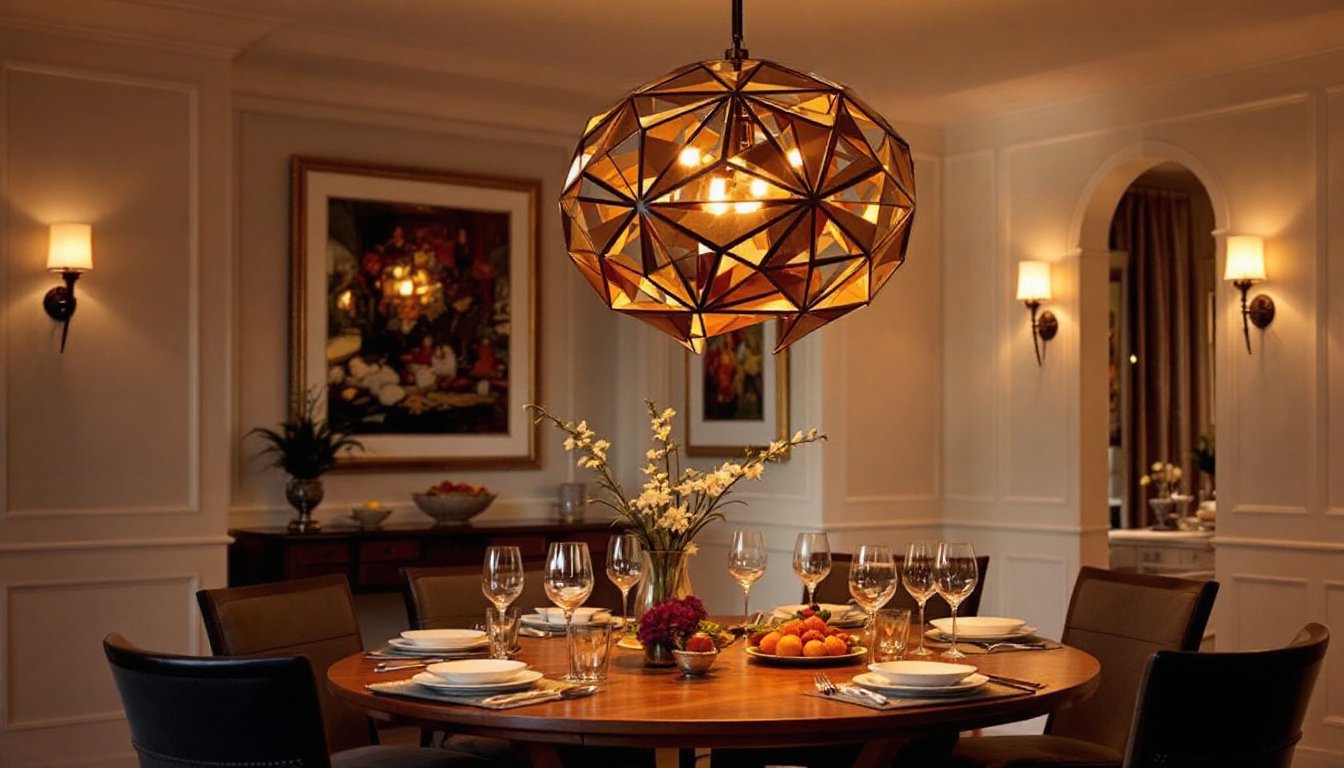

Getting the lighting right in a dining room transforms the entire space, it’s the difference between a room that feels flat and one where meals feel special. Most homeowners focus on furniture and paint color, but lighting is the unsung hero that ties everything together. A good dining room lighting fixture does more than brighten the table: it sets the mood, highlights your décor, and makes people actually want to linger over dinner. The challenge is that choosing the right one involves more than just picking something pretty. Understanding fixture types, scale, and practical installation details ensures the investment works for years without electrical headaches or buyer’s remorse.
Key Takeaways
- A dining room lighting fixture sets the mood and anchors the space visually, transforming how meals feel and how people appear to one another.
- Chandeliers and pendant lights are the most popular choices, with proper hang height (30-36 inches above the table) essential for flattering light and clear sightlines.
- Size matters: add your table’s length and width in feet, then convert to inches to determine your ideal dining room lighting fixture diameter for visual balance.
- Semi-flush and flush mounts work best in low-ceiling spaces or as secondary fixtures, while track and recessed lighting offer flexibility and modern appeal when paired with dimmers.
- Moisture-resistant fixtures are critical if your dining room has skylights, outdoor doors, or high humidity, and professional electrician installation ensures safety and building code compliance.
- Material selection impacts maintenance: glass pendants resist dust better than exposed candles, and brushed metal finishes hide fingerprints more effectively than polished finishes.
Why Dining Room Lighting Matters More Than You Think
Dining room lighting isn’t just functional, it’s architectural. Unlike a bedroom or office where one overhead fixture might suffice, dining rooms demand thoughtful illumination that flatters food, people, and the space itself.
The right fixture anchors the room visually. A chandelier over the table becomes a focal point the moment you walk in: a set of pendant lights creates rhythm and definition. Poor lighting, on the other hand, makes even well-prepared meals look unappetizing and people look washed-out. Beyond aesthetics, proper lighting supports both layered illumination (overhead, accent, task) and dimming capability, essential for the flexibility dining rooms require.
Building code doesn’t demand specific fixture types, but the National Electrical Code (NEC) does require adequate branch circuits and proper junction boxes for safety. Most dining room fixtures need professional installation if rewiring is involved, especially if you’re replacing an old fixture or moving one to a new location. That said, understanding what’s available helps you make smart choices and talk confidently with an electrician about your needs.
The Best Types of Dining Room Lighting Fixtures
Chandeliers and Pendants
Chandeliers remain the most popular choice for formal dining rooms, and for good reason. They’re sculptural, make a statement, and cast light downward toward the table. Traditional crystal or brass chandeliers work beautifully in classic spaces: modern geometric designs suit contemporary homes. The key is that they hang low enough to cast light on food and faces without blocking sightlines across the table, typically 30 to 36 inches above the table surface.
Pendant lights, individual hanging fixtures, offer flexibility and modern appeal. Three or four pendant lights arranged in a line over a long table create visual balance and even illumination. They’re easier to install than chandeliers (often a simple swap if the electrical box is already there) and cost less. Pendant options range from industrial metal to frosted glass, so they adapt to almost any style.
Material matters here. Glass pendants are practical because they’re easier to clean and don’t trap dust. Metal finishes (brushed nickel, bronze, black) hide fingerprints better than polished brass or chrome. If you choose a chandelier with exposed bulbs or candle-style arms, be prepared for more frequent cleaning, dust and debris settle on everything up there.
Flush Mounts and Semi-Flush Options
Flush mounts sit directly against the ceiling, making them perfect for rooms with lower ceilings (under 8 feet). They cast light upward and outward, so they’re less ideal as a sole dining room fixture, you lose that elegant downward-facing illumination. But, they work well as secondary fixtures or in compact dining areas.
Semi-flush mounts drop 6 to 12 inches from the ceiling, splitting the difference. They look more intentional than flat-to-ceiling fixtures and allow slightly better light distribution. A semi-flush fixture in brushed nickel or matte black suits contemporary kitchens that double as dining areas. These are straightforward to install (most screw directly to the existing junction box) and don’t require special hardware or lengthy rewiring.
Track and Recessed Lighting Systems
Track lighting offers adjustability, you can aim individual fixtures where you need them, making it practical for highlighting artwork or creating accent zones. It’s less formal than a chandelier, which works if your dining space is casual or open-concept.
Recessed lights (also called canned lights or downlights) sit flush in the ceiling and cast a clean, minimalist look. They’re excellent for contemporary spaces and work well layered with a smaller pendant or chandelier in the center. But, recessed fixtures alone rarely provide the focal-point drama dining rooms benefit from. They’re also more involved to install if your ceiling isn’t pre-drilled, you may need to cut holes and run additional wiring, which calls for a licensed electrician in most jurisdictions.
Both track and recessed systems pair well with dimmer switches, giving you flexibility to shift from task lighting (bright for clearing dishes) to ambient lighting (soft for conversation).
Key Factors to Consider Before Buying
Size, Scale, and Room Proportions
Fixture size should match both the table and the room. A 24-inch-diameter chandelier looks comical over an 8-foot table: a tiny pendant looks lost over the same space. A common rule of thumb: add the length and width of the dining table in feet, then convert to inches for your ideal fixture diameter. A 10×12 room with a 6×3 table suggests a fixture roughly 18 to 20 inches in diameter.
Ceiling height also dictates hanging depth. In a standard 8-foot ceiling, hang the fixture 60 to 66 inches from the floor (about 30 to 36 inches above the table). Higher ceilings (9+ feet) allow deeper hangs, up to 48 inches above the table, which creates drama without obstructing sightlines. If your dining room sits in an open-concept space, scale up slightly: the fixture competes visually with the whole zone, not just the table.
Weather and moisture matter if your dining room has skylights, outdoor doors, or high humidity from an adjacent kitchen. Standard indoor fixtures will deteriorate in damp conditions. Look for damp-rated or wet-rated fixtures if moisture is a concern: the label on the box clearly marks this. Brass and glass hold up better than wood finishes in humid conditions.
Before purchasing, measure your ceiling height, table dimensions, and the distance from your table to surrounding walls. Take a photo of the space and note wall color, cabinet finishes, and existing lighting. These details help an electrician assess feasibility and ensure the fixture complements your actual room, not a showroom photo.