
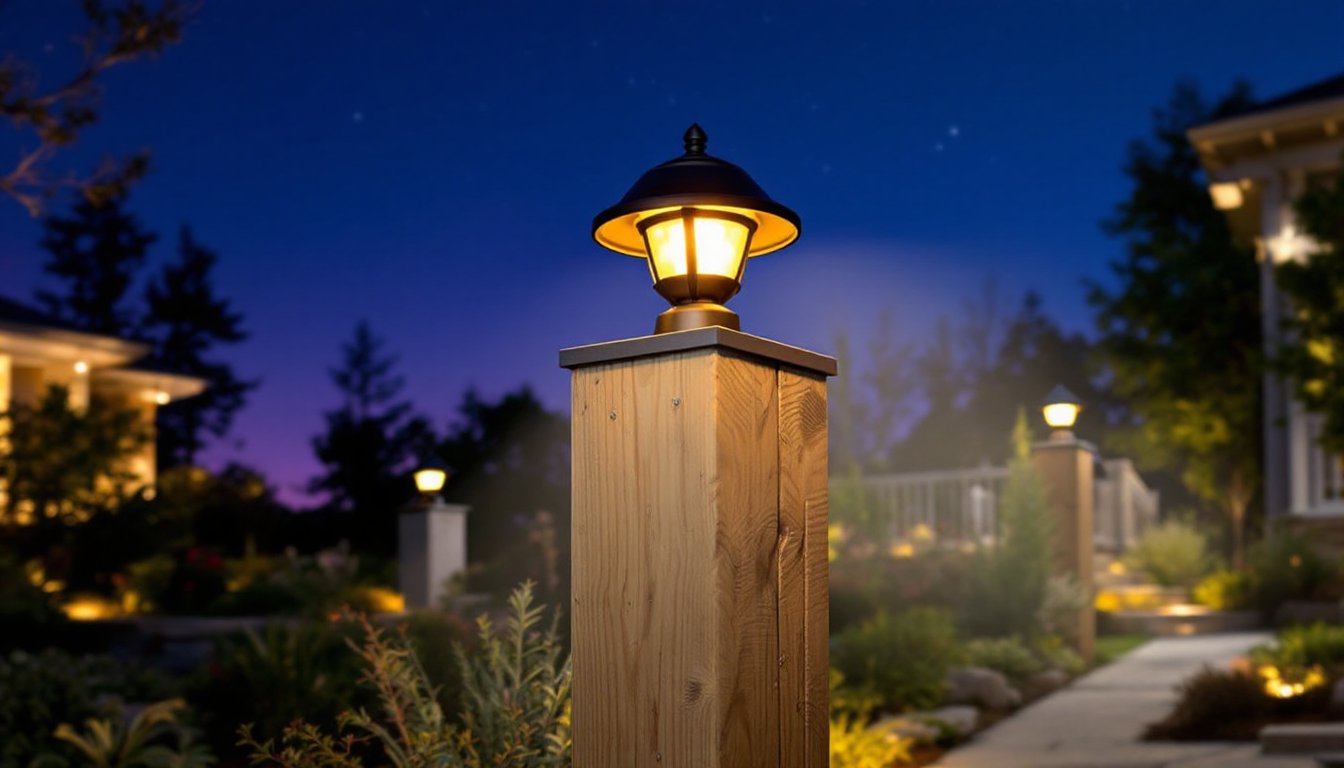

Outdoor lighting post lamps are one of the most practical and visually impactful upgrades a homeowner can tackle. They mark pathways, highlight landscaping, boost security, and extend the usable hours of a yard, all without the complexity of in-ground electrical runs or hiring an electrician. Whether someone’s looking to light a driveway, garden, or patio perimeter, outdoor lighting post lamps deliver flexibility and curb appeal on a reasonable budget. This guide walks through the essentials: what they are, which types suit different needs, what features matter most, and how to install and maintain them for years of reliable service.
Key Takeaways
- Outdoor lighting post lamps are modular fixtures that mark pathways, enhance security, and extend yard usability without requiring complex electrical runs or professional installation.
- Solar-powered post lamps offer zero-maintenance accent lighting for well-lit locations, while traditional electrical post lamps deliver consistent brightness (200–1000+ lumens) ideal for driveways and security zones regardless of weather.
- Choose post lamps with durable materials (stainless steel, powder-coated aluminum, or marine-grade composites rated IP65+), LED bulbs rated 25,000–50,000 hours, and 100–300 lumens for accent lighting or 300–800 lumens for task lighting.
- Proper installation requires a plumb 4×4 post, weatherproof sealing with gaskets, secure fastening via lag bolts, and compliance with local electrical codes—hire a licensed electrician for 120-volt systems but low-voltage (12V) DIY setups are often feasible.
- Maintain post lamps by inspecting weatherproof gaskets, cleaning lenses annually, checking conduit for freeze–thaw damage, and replacing solar batteries every 2–3 years or LED bulbs when output dims noticeably.
What Are Outdoor Lighting Post Lamps?
Post lamps, also called post lights, post-mounted fixtures, or deck post lights, are lighting units mounted on top of a vertical support structure, typically a 4×4 wood post, metal pole, or composite pillar. Unlike recessed deck lights or string lights, a post lamp sits high enough to throw light across a wider area and isn’t buried flush with the surface.
They’re popular because they’re modular: install the post, secure the lamp to the top, run power if needed, and you’re done. Most residential post lamps are 12 to 36 inches tall from the post cap. The fixture itself holds one or more bulbs and a diffuser or lens to direct light downward and outward. A good post lamp balances ambient light spread with aesthetic appeal, since it’s often a visible landscape feature day and night.
Types of Post Lamps and Their Best Uses
Solar-Powered Post Lamps
Solar post lamps use a photovoltaic panel integrated into the fixture cap. During the day, they charge an internal rechargeable battery: at dusk, an onboard sensor triggers the LED to illuminate automatically. No wiring, no permits, no electrician call needed, that’s the appeal.
They work best for accent lighting on paths, patios, or garden beds where brightness requirements are moderate (typically 50–200 lumens per fixture). On cloudy days or in winter, charge times may be limited, and light output dips. They’re ideal in sunlit locations and require zero maintenance beyond occasional cleaning of the solar panel.
Traditional Electrical Post Lamps
Electrical post lamps draw power from a landscape circuit, low-voltage transformer, or home’s main electrical panel. They deliver consistent, bright light (200–1000+ lumens) regardless of weather or season.
They’re the choice for security lighting, driveway illumination, or areas where reliability matters most. Install requires running wire (either buried in conduit per code or low-voltage cable) from a power source to the post. Hiring a licensed electrician is wise if the work involves the main panel or 120-volt circuits: low-voltage landscape systems (12V) can often be DIY-installed. Electrical fixtures cost more upfront and demand planning, but they’re brighter and won’t fade through seasons.
Key Features to Look For When Buying
Lumens and Color Temperature: Aim for 100–300 lumens for accent lighting, 300–800 for task or security lighting. Color temperature (measured in Kelvins) matters: 2700K gives warm, incandescent-like amber: 4000K is neutral white: 5000K+ is cool blue-white. Warm tones suit residential landscapes: cooler tones work better for security.
Material and Durability: Post lamp fixtures endure rain, UV, and freeze–thaw cycles. Look for stainless steel, powder-coated aluminum, or marine-grade composite fixtures rated IP65 or higher for wet-location protection. Wood posts need rot-resistant species (cedar, composite, or pressure-treated) or liners to prevent water wicking at the base.
Bulb Type: LED dominates modern post lamps for efficiency and lifespan (25,000–50,000 hours). Halogen is rarer now but warmer: incandescent is obsolete in most new fixtures. Check if the bulb is replaceable or integrated.
Motion Sensor and Dimming: Some fixtures include motion sensors for security or dusk-to-dawn timers. Dimming capability (via a remote or hardwired switch) is a nice-to-have for ambiance control.
Height and Visual Footprint: Standard post lamps are 12–24 inches tall. Taller fixtures (24–36 inches) throw light further but are more visually prominent. Choose a scale that suits the post diameter and nearby structures.
Installation and Maintenance Tips
Prep and Measurement: Start with a sturdy, plumb post. A 4×4 post is standard and will accept most lamp bases via a lag-bolt or flange mount. If the post leans, shim or replace it first, a wobbly post makes the lamp angle awkwardly and shortens its life.
Measure from the post top to where the lamp sits, leaving 1–2 inches clearance above the mounting plate for airflow (prevents moisture pooling). Most fixtures include a gasket or weatherproof collar that seals where the base meets the post top.
Electrical (Hardwired): If running 120-volt power, hire a licensed electrician to tie into a circuit breaker, run proper gauge wire in conduit, and install GFCI protection. Low-voltage 12V systems can often be DIY: run UV-resistant cable in conduit or bury it 12 inches deep, connect to a transformer, and mount the fixture per instructions. Always check local electrical codes, they vary by jurisdiction and may mandate permits.
Fastening: Lag bolts (½-inch diameter, 3–4 inches long) or through-bolts with washers secure the lamp base firmly. Tighten snugly but don’t over-torque, which can crack a composite post.
Solar Setup: Place the post in direct sunlight (6+ hours daily) for optimal charging. Angle the solar panel slightly north or flat depending on latitude: clean the panel monthly of dust and debris.
Maintenance: Check that the weatherproof gasket is intact and undamaged. Clean the lens annually to prevent buildup of pollen or dirt, which dims output. For electrical fixtures, inspect the conduit and wire for damage after winter freeze–thaw cycles. Replace bulbs when output dims noticeably (LEDs should last years, but failures happen). Solar batteries lose charge capacity after 2–3 years of heavy use: replacement kits are inexpensive ($20–50) and swap in minutes.
Conclusion
Outdoor lighting post lamps transform a yard’s function and character with minimal fuss. Solar models suit accent and path lighting where consistency isn’t critical: electrical systems deliver reliability and brightness for security or task zones. Prioritize durable materials, correct lumen output, and weatherproof sealing, these basics prevent disappointment and costly premature replacement. Whether DIY-installing a solar unit or calling an electrician for hardwired work, the result is outdoor space that’s safer, more welcoming, and usable well after sunset.