
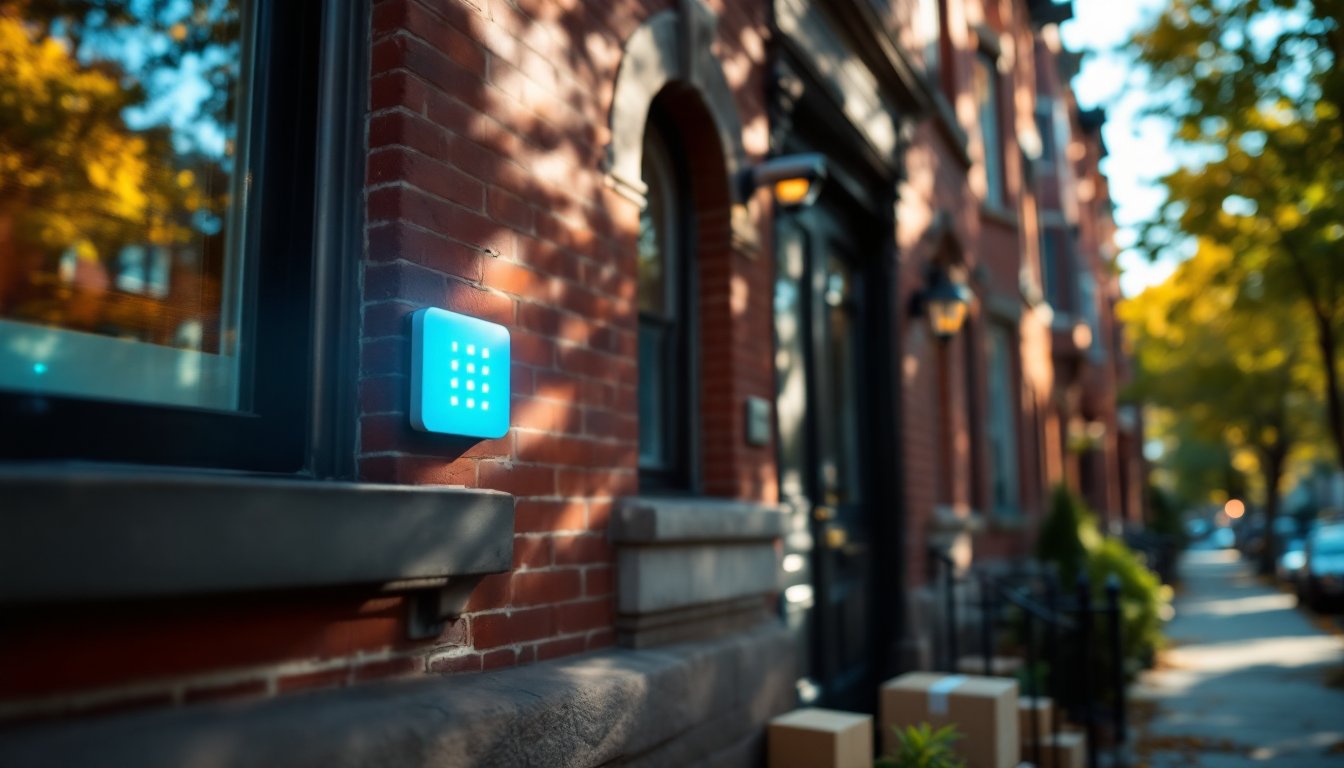

Philadelphia’s neighborhoods range from historic row houses in Society Hill to modern condos in Center City, but they share a common security challenge: rising property crimes and package theft. Whether a homeowner is protecting a classic brownstone or a contemporary apartment, installing a reliable home security system has become essential. A 2025 FBI crime report showed property crimes in Philadelphia remained above national averages, making proactive security measures more important than ever. The good news is that today’s systems offer flexibility, affordability, and features that older installations couldn’t match. This guide walks homeowners through what’s available locally, what features matter most, and how to choose a system that fits both budget and lifestyle.
Key Takeaways
- Philadelphia’s above-average property crime rates make a reliable home security system essential for protecting homes, with professional monitoring offering 24/7 response and potential insurance discounts of 5–15%.
- Homeowners can choose between wired systems ($800–$2,500 installation, $25–$50/month) for permanent installations with rock-solid reliability, or wireless systems ($500–$1,500 upfront, $15–$35/month) for faster setup and rental flexibility.
- Critical features for a Philadelphia security system include 24/7 professional monitoring, HD cameras with night vision, perimeter door/window sensors, backup power, and cellular connectivity to ensure protection even when WiFi fails.
- Wired systems work especially well in Philadelphia’s row house neighborhoods where walls are thick and long-term residency is planned, while wireless systems suit renters and those who may relocate.
- Smart home integration adds convenience but isn’t essential for core security; homeowners should prioritize professional monitoring and expandable systems that work with multiple providers rather than proprietary setups.
- Installation quality matters as much as equipment—assess your property’s entry points, WiFi reliability, and layout before comparing providers with transparent pricing and strong local customer reviews.
Why Philadelphia Homeowners Need a Reliable Security System
Philadelphia’s property crime rate has drawn attention from local law enforcement and residents alike. According to recent data, break-ins, package theft, and vehicle tampering occur across all neighborhoods, from affluent areas to developing blocks. Beyond crime statistics, homeowners face unique challenges: many properties have multiple entry points, shared walls (common in row house neighborhoods), or older doors and windows that lack modern security hardware.
A security system serves as a first and last line of defense. It deters burglars visibly (cameras and alarm company signs work), monitors entry points 24/7, and alerts homeowners or professional monitoring centers immediately if something goes wrong. Renters and owners alike benefit: renters gain peace of mind without permanent structural changes, while owners protect long-term investments. Insurance companies often offer discounts of 5–15% on homeowners policies when a monitored alarm system is in place, a tangible financial incentive that offsets installation costs over time.
Beyond burglary, modern systems detect fires, carbon monoxide leaks, and water damage. Philadelphia’s older building stock sometimes hides environmental hazards: early detection can prevent catastrophic losses. A homeowner sleeping soundly knowing that professional monitoring covers their property around the clock isn’t just comfort, it’s smart risk management.
Types of Home Security Systems Available in Philadelphia
Philadelphia homeowners today have two primary system types to choose from, each with distinct advantages and trade-offs.
Wired Systems
Wired systems have been the standard for decades, and for good reason. They run hardwired sensors and control panels through a home’s walls and attic, connected via cables to a central hub. Wired security systems offer rock-solid reliability because they don’t depend on WiFi or batteries: power comes straight from the electrical panel or a backup battery.
They work especially well in Philadelphia’s row house neighborhoods, where walls are thick and new construction isn’t planned. Installation is invasive, drywall patches, wire routing, and professional setup are necessary, but the long-term payoff is stability. Traditional hardwired systems typically cost $800–$2,500 to install, plus $25–$50 monthly monitoring fees. Because they’re hardwired, they’re harder for burglars to disable by cutting cables (though they can cut external lines): professional monitoring centers receive signals through redundant phone lines or internet backup.
Wired systems are ideal if a homeowner plans to stay in the property long-term and can tolerate installation disruption. They’re also a solid choice if WiFi connectivity is unreliable in certain parts of the home.
Wireless Systems
Wireless security systems have exploded in popularity over the past five years, particularly in rental and semi-permanent living situations. Sensors communicate to a hub via radio frequency (typically 700 MHz or similar), eliminating the need for running cables through walls. Installation is quick, usually a day or less, and non-destructive. A homeowner simply places sensors on doors and windows, sets up the hub, and pairs everything via a mobile app.
Wireless systems range from $500–$1,500 upfront, with monitoring at $15–$35 monthly. They’re perfect for renters, condominium residents, and those who might relocate. The trade-off is that sensors need battery replacements (typically annually) and depend on WiFi or cellular backup. If internet goes down, most modern wireless systems fall back to cellular links to the monitoring center.
Popular local providers offering wireless setups include systems that integrate with existing smart home ecosystems. Many Philadelphia homeowners appreciate combining their alarm with lights, locks, and thermostats through a single app. Battery failure and WiFi dropouts are the biggest complaints, but quality systems include alerts when batteries run low or network connectivity drops.
Key Features to Look for in a Philadelphia Security System
Once a homeowner decides between wired and wireless, several features separate a good system from a mediocre one.
24/7 professional monitoring is non-negotiable if the goal is genuine protection. Self-monitoring (checking alerts on a phone) is cheaper but unreliable when a homeowner is asleep, at work, or out of town. Professional monitoring centers respond to alarms, attempt phone verification, and can dispatch police or emergency services. Expect to pay $25–$50 monthly for this service.
HD video cameras with night vision and cloud storage are now standard. Philadelphia’s mix of well-lit streets and dark alleyways makes night vision critical. Cameras should record continuously or on motion detection, with at least 14–30 days of cloud backup included. Local storage options (microSD cards or on-device storage) are useful backups if internet fails.
Mobile app integration lets homeowners arm/disarm systems, view camera feeds, and receive real-time alerts from anywhere. Smartphone notifications when doors open, motion triggers, or alarms trip are standard with modern systems.
Glass-break sensors and door/window sensors cover entry points. In a three-story row house, a single motion detector in the main hallway won’t catch a burglar on the third floor: perimeter sensors matter. Quality sensors have tamper detection, they alert if someone tries to disable them.
Backup power and cellular connectivity ensure the system keeps working if internet or power fails. A battery backup should power the hub and monitoring signal for at least 24 hours. Cellular backup (LTE or 5G) lets the monitoring center receive alerts even if WiFi is down.
Smart home compatibility (Amazon Alexa, Google Home, Apple HomeKit) adds convenience but isn’t essential for core security. Some homeowners prefer systems that don’t integrate with third-party ecosystems for privacy reasons: that’s a valid choice.
Professional Monitoring and Smart Home Integration
Professional monitoring is the backbone of any serious security system. When an alarm triggers, the monitoring center immediately attempts to contact the homeowner (usually via phone) to verify the alarm. If no response or confirmation that it’s real, dispatch authority (Philadelphia Police) is contacted. Response times vary, police prioritize life-safety calls over property crimes, but having documentation and professional notification greatly increases response likelihood compared to silent alarms.
Some Philadelphia providers bundle professional monitoring with other services: emergency response (medical alert buttons for elderly residents), environmental monitoring (fire, carbon monoxide), and 24/7 support lines. Bundled packages often cost less than separate subscriptions.
Smart home integration lets a security system talk to other devices. An integrated setup might arm the alarm, lock all doors, turn off lights, and lower the thermostat with a single command when the homeowner leaves. On return, a single “Welcome Home” scene reverses all that. This convenience is appealing but adds complexity and cost. If a homeowner’s WiFi network is compromised, theoretically, smart home controls could be affected: many experts recommend keeping core security (the alarm itself) separate from smart home gadgetry.
Philadelphia homeowners should also ask about system expandability. A good system grows with needs, adding cameras, sensors, or smart locks without scrapping the existing infrastructure. Proprietary systems sometimes lock users in: modular, open systems offer flexibility.
Conclusion
Choosing a home security system in Philadelphia comes down to three decisions: wired or wireless, what monitoring level to pay for, and which features add genuine protection versus novelty. Wired systems offer rock-solid reliability for those planning to stay put: wireless systems provide flexibility and quick setup. Professional monitoring isn’t optional if a homeowner wants real protection, it’s the difference between a doorbell camera and an actual alarm system.
Start by assessing the property (number of entry points, layout, existing WiFi), then compare 2–3 providers with transparent pricing, local customer reviews, and clear support. Installation quality matters as much as the equipment: a poorly installed sensor won’t detect break-ins. With the right system in place, a Philadelphia homeowner can protect their property, gain insurance discounts, and sleep soundly knowing help is just a signal away.