
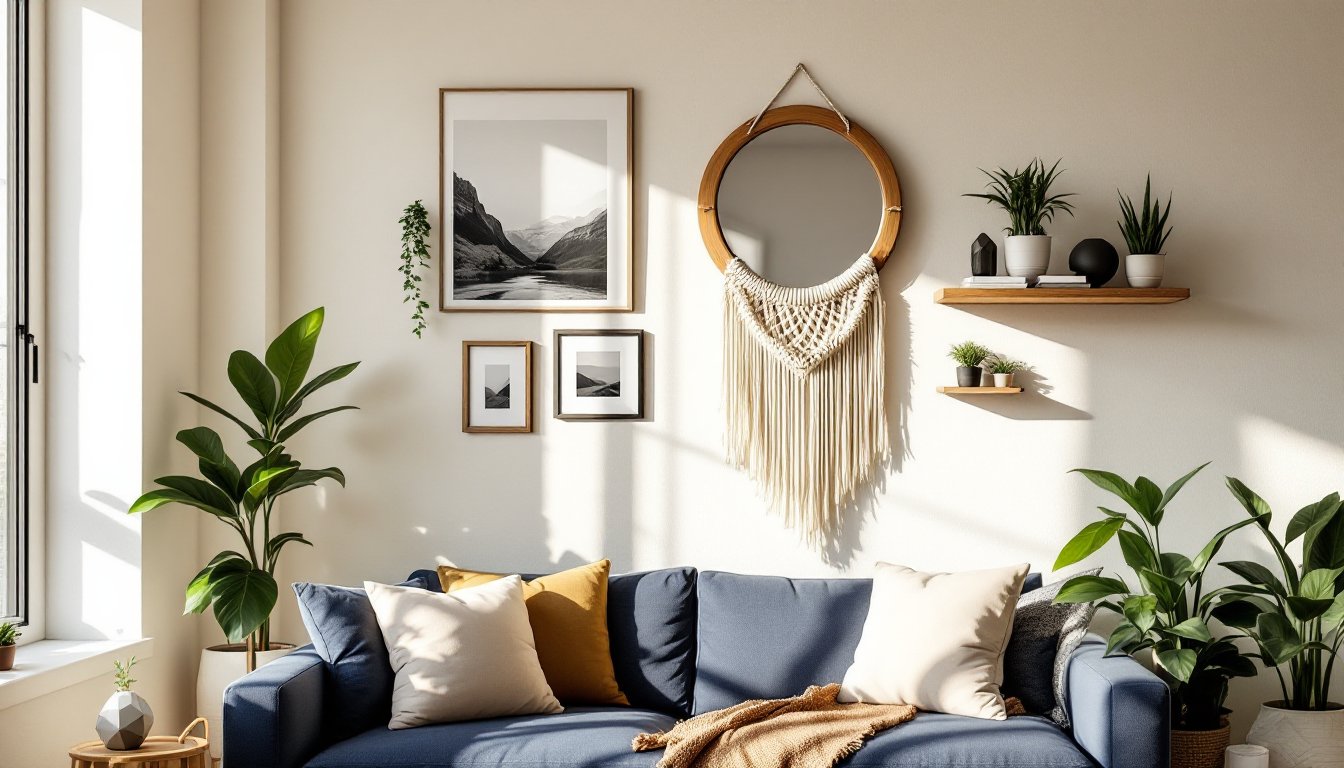

Wall decor is far more than an afterthought, it’s the finishing touch that anchors a room’s personality and ties your design vision together. Whether someone’s refreshing a tired living room or fine-tuning a bedroom sanctuary, the right wall decor can completely shift how a space feels. In 2026, homeowners are moving beyond generic art prints and embracing intentional, layered designs that reflect both aesthetics and function. Home goods wall decor has evolved into a strategic tool for transforming interiors, and the good news is that achieving a polished, curated look doesn’t require a designer’s budget or years of experience. This guide walks through current trends, practical selection strategies, and arrangement techniques to help anyone create wall decor that actually works.
Key Takeaways
- Home goods wall decor is a strategic design tool that establishes visual hierarchy, directs eye movement, and sets the emotional tone of a room beyond purely aesthetic purposes.
- Current wall decor trends favor layered, eclectic, and personally meaningful designs over generic one-size-fits-all styles, with minimalist and bohemian approaches both thriving in 2026.
- Effective wall decor selection requires choosing a color anchor from your room’s palette and sizing pieces at 50–75% the width of furniture below them to create visual balance and intentionality.
- Mirrors and textiles serve practical functions—amplifying natural light, creating depth, absorbing sound, and softening hard surfaces—making them multifunctional powerhouses beyond decorative purposes.
- Arrangement matters more than individual pieces: plan layouts with kraft paper templates, maintain 2–3 inch spacing between grouped items, and leave generous negative space to prevent a cluttered appearance.
- Layering different wall decor types like art, mirrors, floating shelves, and textiles on the same wall creates visual richness and prevents rooms from feeling one-dimensional.
Why Wall Decor Matters for Home Design
Wall decor is the canvas on which a room’s entire story unfolds. It covers vertical surfaces that would otherwise sit bare and uninspiring, but more importantly, it establishes visual hierarchy, directs eye movement, and sets the emotional tone of a space. A well-chosen gallery wall or a single statement piece can make a modest room feel intentional and curated, while poor wall choices, or no wall choices at all, leave even beautifully furnished rooms feeling incomplete.
Beyond aesthetics, wall decor serves practical functions. Mirrors amplify natural light and create the illusion of depth in cramped quarters. Textiles like woven wall hangings absorb sound and soften hard surfaces. Art pieces anchor color schemes and pull together disparate furniture pieces. The key difference between spaces that feel designed and those that feel cluttered comes down to purposeful wall treatment. When homeowners invest thought into what goes on their walls, everything else in the room suddenly looks more intentional by association.
Popular Wall Decor Styles and Trends
Wall decor trends in 2026 reflect a broader shift away from trending-for-trending’s-sake toward personally meaningful designs. The one-size-fits-all Instagram aesthetic is fading in favor of layered, eclectic approaches that honor individual taste while maintaining visual cohesion.
Modern Minimalist and Scandinavian Designs
Minimalist wall decor strips away excess and lets each piece breathe. Clean lines, plenty of white space, and a restrained color palette create calm, unfussy interiors. Think a single large-scale black-and-white photograph, a geometric wooden sculpture, or a sleek floating shelf holding three carefully selected objects. Scandinavian design, a close cousin, adds warmth through natural materials like light wood, linen, and leather-bound accents. A light oak floating shelf paired with a monochrome watercolor print and a potted plant epitomizes this approach. The appeal lies in how these styles make rooms feel intentional without demanding constant visual engagement. They’re particularly effective in bedrooms and home offices where focus and clarity matter.
Bohemian and Eclectic Aesthetics
On the opposite end, bohemian wall decor embraces color, texture, and cultural references. Macramé hangings, woven tapestries in warm earth tones, layered vintage frames, and clustered small art pieces create richness and personality. This style thrives on mixing periods, materials, and influences, a rattan wall hanging beside a contemporary abstract print beside a vintage mirror. Eclectic design takes this further, explicitly celebrating mismatched pieces unified by intentional arrangement and a consistent (if unconventional) color story. Where minimalism says “less is more,” bohemian and eclectic styles say “more means more, if it’s chosen well.” Both approaches are booming in 2026 because they celebrate individuality and permit budget-conscious upgrades over time, you’re not locked into a rigid theme.
Types of Wall Decor to Consider
Wall decor falls into several broad categories, each serving distinct purposes and design roles.
Wall Art, Mirrors, and Textiles
Wall art encompasses paintings, prints, photographs, and mixed-media pieces. Canvas prints offer affordability and durability, while framed fine art brings prestige: the choice depends on a room’s formality and a homeowner’s budget. A 24″ × 36″ framed print costs significantly less than original artwork but delivers comparable visual impact. Larger pieces (36″ and up) anchor walls effectively: smaller pieces (under 16″) work best in clusters.
Mirrors are multifunctional powerhouses. A large statement mirror (48″ or taller) reflects light, creates depth, and adds architectural interest. Gold, black, and natural wood frames suit different aesthetics. Mirrors work especially well opposite windows to bounce natural light throughout a room. Unlike art, mirrors don’t fade and require zero maintenance beyond occasional dusting.
Textiles, tapestries, woven wall hangings, and fabric art, introduce warmth, acoustic benefits, and tactile interest. A 100% cotton macramé wall hanging (typically 30″ to 60″ wide) adds bohemian texture without the permanence of paint or wallpaper. These pieces soften hard walls and pair well with both minimalist and eclectic schemes.
Other decor types include floating shelves (functional and decorative), metal wall sculptures, wooden signs, and plate collections. Shelves hold books, plants, and small sculptures: metal art adds contemporary edge: wood signs bring farmhouse warmth: plate collections (especially vintage or artisan pieces) honor heritage while filling wall space economically.
How to Select and Arrange Wall Decor for Maximum Impact
Selecting wall decor without a strategy often results in a hodgepodge of unrelated pieces. Arrangement, by contrast, transforms individual items into a cohesive visual story.
Start with a color anchor. Choose a dominant color from your room’s palette, perhaps the sofa’s hue or the wall paint itself. Select wall decor that either echoes this color or provides intentional contrast. A navy gallery wall on a cream-painted wall ties in navy accent pillows and creates visual rhythm.
Determine scale and proportion. The largest wall art should be roughly 50–75% the width of the furniture piece below it (if there is one). A 48-inch-wide painting above a 60-inch sofa feels balanced: a 24-inch print above the same sofa looks lost. Conversely, oversized art (60 inches or larger) commands solo wall space and needs breathing room.
Plan the layout before hanging. Use kraft paper and painter’s tape to trace outlines of frames or mirrors on the wall. This lets you visualize the arrangement without nail holes. For a gallery wall, sketch the cluster on craft paper first, then use that template as a guide.
Follow spacing rules. Hang art 58–60 inches from the floor to the center of the piece as a baseline (slightly lower in casual rooms, slightly higher in formal dining areas). Space multiple pieces 2–3 inches apart for a cohesive grouped effect: wider spacing creates intentional separation.
Balance symmetry and variation. Symmetrical arrangements (matching pieces flanking a focal point) feel formal and structured. Asymmetrical clusters feel relaxed and contemporary. Neither is “wrong”, choose based on the room’s vibe. A bedroom might welcome symmetry: a bohemian living room thrives on asymmetry.
Layer different decor types. Combine art, mirrors, floating shelves, and textiles on the same wall. A gallery wall pairing photographs, a mirror, and a macramé hanging feels richer than art alone. Vary frame finishes (natural wood, black, brass) and piece sizes to create visual interest without chaos.
Let negative space breathe. Not every inch of wall needs coverage. Generous white space makes individual pieces feel intentional rather than crowded. A single statement piece on a large wall can be more impactful than wall-to-wall clutter.