
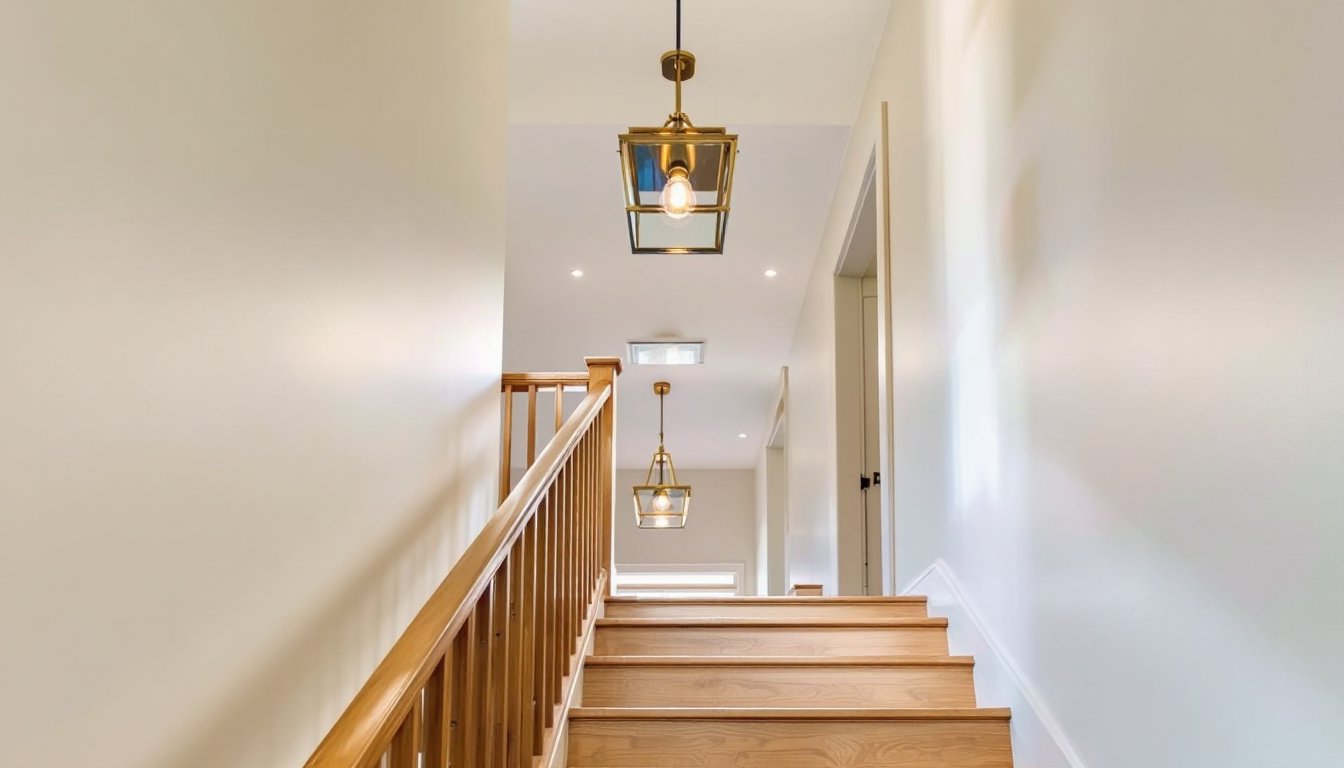

Stairwells are often overlooked when it comes to home lighting design, yet they’re one of the most visible and frequently traversed spaces in a home. A well-lit stairwell pendant setup doesn’t just improve safety, it transforms what might be an utilitarian zone into a design statement. Modern pendant lighting for stairwells offers the perfect balance of functionality and style, whether someone is working with a narrow hallway staircase or a grand two-story focal point. Unlike recessed ceiling lights or wall sconces alone, carefully chosen pendants draw the eye upward and create layered ambient light that enhances the entire vertical space. This guide walks through why pendant fixtures work so well for stairs and explores eight practical, design-forward ideas that homeowners can adapt to their own layouts.
Key Takeaways
- Stairwell pendant lighting improves both safety and aesthetics by casting light downward onto steps while creating visual rhythm that guides the eye upward through the vertical space.
- Oversized metal and glass pendants (12 to 16 inches) make dramatic statements in high-ceilinged stairwells, but should hang 2 to 3 feet below the ceiling to avoid head-bumping hazards.
- Multi-pendant configurations of two to four fixtures spaced 3 to 4 feet apart vertically create layered light and sophisticated visual cohesion without overwhelming narrow stairwells.
- Always anchor pendant fixtures securely into ceiling joists using appropriate hardware like lag bolts; drywall anchors alone cannot safely support long-term hanging installations.
- Map out your stairwell dimensions and electrical infrastructure on paper before installation, and hang test fixtures with fishing line first to visualize spacing and height adjustments.
- Sculptural ceramic and artisan pendants add handcrafted warmth to stairwell designs, typically work better in clusters of 3 rather than standalone, and require verification of bulb compatibility before installation.
Why Pendant Lighting Works Best for Stairwells
Pendants are uniquely suited to stairwell lighting because they address both safety and aesthetics in a way that fixed ceiling fixtures often miss. When suspended at the right height along a stairway, they cast light downward onto steps, improving visibility for anyone climbing or descending. They also create visual rhythm, spaced evenly along the rise, pendants naturally guide the eye and make the space feel intentional rather than an afterthought.
Unlike recessed lights that can create harsh shadows on treads, or sconces that rely on wall space (which stairs don’t always have), pendants hang freely and can be positioned to avoid glare while still illuminating the walking path. They also work well in tight stairwells where wall-mounted fixtures would jut out and become a head-bumping hazard. Modern pendants come in an enormous range of sizes and styles, so they’ll fit virtually any aesthetic, from farmhouse to industrial to contemporary minimalist.
One practical advantage: pendant wiring can run through the ceiling, which means no surface conduit or awkward wall rerouting. If the stairwell ceiling has solid joists above (which it should for load-bearing stairs), that overhead space is already designed to handle fixtures. Just make sure the existing electrical box or new junction can support the weight and voltage of the pendants you choose.
Statement-Making Pendant Styles for Dramatic Stairwells
Oversized Metal and Glass Pendants
Big, bold pendants make an immediate impact in stairwells, especially in homes with high ceilings or open foyers. A 12- to 16-inch diameter metal frame with clear or frosted glass panels catches light and creates visual interest from multiple angles. Brass, matte black, and brushed nickel finishes are popular because they pair well with modern and transitional interiors while still feeling substantial enough to command attention in a tall space.
When choosing oversized pendants for stairs, measure carefully. The fixture should hang low enough to be effective (typically 2 to 3 feet below a ceiling) but never so low that someone ascending might clip it with their head or luggage. In a 9-foot ceiling, a 24-inch diameter pendant hanging at 6 feet 6 inches from the floor is usually safe: adjust based on actual stair traffic and ceiling height.
Glass-and-metal pendants work especially well when hung in pairs, one on each side of a landing, or in a single dramatic installation over a mid-stair landing. They’re also forgiving with bulb choice: LED A19 or globe bulbs in warm white (2700K) soften the industrial feel and improve the ambiance significantly.
Sculptural Ceramic and Artisan Designs
For a more organic, handcrafted aesthetic, sculptural ceramic or artisan pendants add personality and warmth to stairwells. Pieces with textured finishes, irregular shapes, or subtle color work beautifully as focal points, especially in homes with earth-tone or bohemian design schemes. These fixtures often come with narrower openings, so confirm that the bulb type (typically E26 base) and wattage match the ceramic shade’s heat tolerance before installation.
Artisan pendants tend to run smaller than metal-and-glass options, usually 8 to 12 inches, which means they pair well with multi-pendant layouts rather than standalone statements. A cluster of three complementary ceramic pendants along a stairwell landing creates sophisticated visual rhythm without overwhelming the space. Check that any ceramic fixture has been fired and tested for safe indoor use and that electrical connections are properly insulated.
Multi-Pendant Configurations for Maximum Impact
Stringing multiple pendants along a stairwell is where real design magic happens. Rather than rely on a single large fixture, two to four pendants, spaced evenly and often of the same or complementary styles, create layered light and visual cohesion. A typical rule of thumb is to space pendants 3 to 4 feet apart vertically, adjusting based on ceiling height and stair pitch.
The simplest multi-pendant setup uses identical fixtures on a staggered installation: hang them along the stairwell at alternating heights. This approach works exceptionally well in spiral or open-tread staircases where pendants won’t collide with structural supports. In traditional enclosed stairwells with a centered ceiling run, two parallel rows of pendants (one on each side of the centerline) create a sophisticated, almost gallery-like effect. Spacing them 24 inches apart horizontally and 36 inches vertically prevents overcrowding while ensuring good light distribution.
For narrow stairwells where overhead space is tight, consider a single vertical line of smaller pendants (8 to 10 inches) running along the stairwell’s center axis. This works well with 40- to 60-watt equivalent LED bulbs, bright enough to illuminate safely without harsh shadows. When wiring multiple pendants, use a dimmer switch if the circuit allows: it gives flexibility for ambient lighting versus task lighting depending on time of day.
Lighting Layout and Installation Considerations
Before hanging a single pendant, map out the stairwell layout on paper. Measure the stairwell ceiling length, width, and height, and note the locations of any existing electrical boxes, vents, or structural beams. Mark where you want pendants to hang and confirm that each position clears step edges and doesn’t create a trip hazard or head-bump risk. Use a 4-foot level to mark pendant positions: off-level installations look sloppy and undermine the design impact.
Electrical work varies by local code and the complexity of the installation. Running new circuit wiring for multiple pendants usually requires a licensed electrician if the work involves breaking into walls or ceilings. If you’re retrofitting into an existing ceiling box, the electrician can likely use existing wiring, but never overload a circuit with pendants that exceed the breaker’s capacity. Confirm amperage and voltage compatibility before purchasing fixtures.
Installation itself requires a few key tools: a stud finder to locate joists (for safe fixture anchoring), a power drill for mounting hardware, a fish tape if routing new wire, and a voltage tester to confirm the circuit is dead before touching any wires. Wear safety glasses and work gloves when drilling or handling electrical components.
Hang test fixtures using fishing line or adjustable chains first to visualize the final look before permanent installation. This prevents costly mistakes and lets homeowners see if spacing or height adjustments are needed. Once positioned, secure all pendant mounting hardware into joists or ceiling studs, drywall anchors alone won’t safely support hanging fixtures long-term. Check manufacturer specs for weight limits and use appropriate hardware (lag bolts into joists for heavy fixtures, or approved ceiling-rated boxes for lighter ones). Plan for bulb replacement access: if a pendant is 15 feet up, a sturdy 6-foot or 8-foot ladder with stabilizer bars is essential for safe maintenance.
Conclusion
Stairwell pendant lighting transforms overlooked vertical space into a designed, functional, and visually striking part of the home. Whether opting for statement-making oversized fixtures, artistic ceramic pieces, or a carefully spaced multi-pendant configuration, the key is matching the fixture choice to the stairwell’s dimensions, existing style, and electrical infrastructure. Thoughtful layout, proper installation into joists, and attention to spacing and clearance ensure that the final result is both beautiful and safe. With the right pendants, what was once just a utilitarian passage becomes a memorable design feature.