
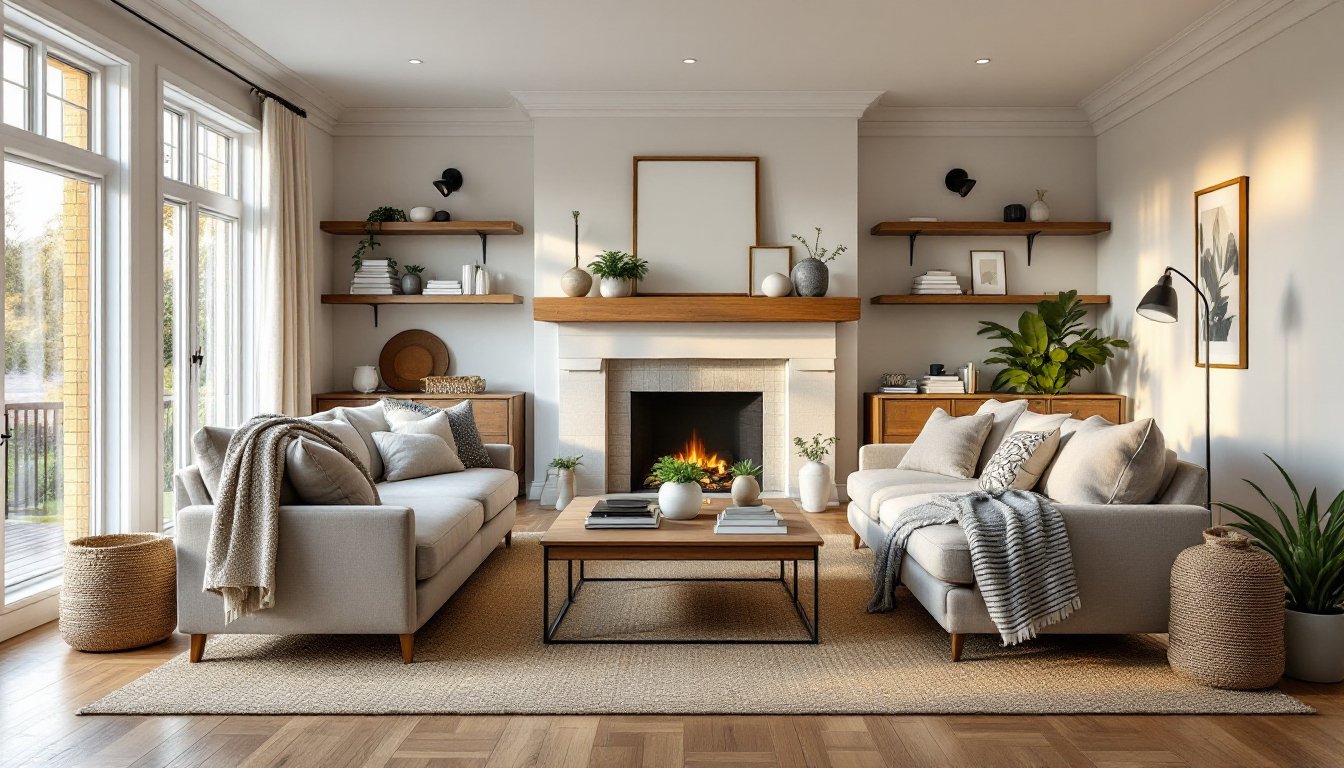

The living room sets the tone for an entire home. It’s where guests are greeted, families gather, and personal style speaks volumes. Yet many homeowners overlook the fundamentals of living room home goods décor, treating the space as an afterthought rather than a thoughtfully curated sanctuary. Whether starting from scratch or refreshing a tired layout, understanding how color, furniture, textiles, lighting, and accessories work together transforms an ordinary room into one that’s both visually appealing and genuinely livable. This guide walks through the essential decisions that matter, practical choices that balance aesthetics with function, without breaking the budget or requiring a design degree.
Key Takeaways
- Assess natural light and room orientation before choosing your living room color palette—north-facing rooms handle warmer, deeper tones, while south-facing spaces benefit from softer, cooler colors.
- Living room home goods décor follows a strategic color rule: 60% dominant color, 30% secondary, and 10% accent to prevent visual chaos.
- Arrange furniture around a focal point (fireplace or entertainment center) with 3 to 4 feet between seating and a TV to balance comfort and functionality.
- Layer three types of lighting—ambient, task, and accent—to create a sophisticated, mood-adaptable space that single overhead fixtures cannot achieve.
- Textiles like throw pillows, blankets, and area rugs add warmth and texture when varied in size, shape, and material, transforming a cold room into an inviting sanctuary.
- Curate decorative accents thoughtfully rather than overcrowd surfaces; a few meaningful pieces and strategic wall art make stronger visual statements than cluttered displays.
Choosing the Right Color Palette for Your Space
Color is the foundation of any room’s personality. Before picking paint or purchasing accent pieces, assess the room’s natural light. North-facing rooms receive cool, diffused light and can handle deeper, warmer tones without feeling cramped. South-facing spaces get intense, warm light throughout the day, softer, cooler palettes prevent the room from feeling washed out or overheated.
Start by identifying a dominant color (typically 60% of the room), a secondary color (30%), and an accent color (10%). This isn’t rigid doctrine, but it prevents visual chaos. Neutral walls, warm grays, soft beiges, or warm whites, provide flexibility for rearranging home goods without repainting. If committing to bold color on walls, keep furniture relatively neutral to avoid overwhelming the space.
Gather paint samples from multiple brands (Benjamin Moore, Sherwin-Williams, and Behr offer quality options at different price points) and apply 24-inch test patches on at least two walls. View them in morning, afternoon, and evening light. Paint finishes matter too: flat or matte finishes hide wall imperfections but show dust: eggshell or satin finishes clean easily and work well in living rooms.
Consider the room’s purpose. A media-focused living room benefits from darker, muted tones that reduce screen glare and create intimacy. A multi-use space with high traffic works better in lighter shades that hide dust and minor scuffs. Don’t underestimate the impact of undertones, a gray with warm undertones versus cool undertones creates vastly different atmospheres.
Furniture and Layout: Creating a Comfortable, Functional Room
Furniture arrangement determines whether a living room invites lingering or feels awkward and cramped. Start by identifying the room’s focal point, a fireplace, large window, or entertainment center. Arrange seating to face this anchor, allowing conversation between pieces. A 3-foot to 4-foot distance between the sofa and a TV or fireplace is ideal: too close creates neck strain, too far demands a larger screen.
Measure before purchasing. A sofa should not consume more than half the room’s perimeter: it should leave walking paths and breathing room. Standard sofa depths run 32 to 36 inches, though deep-seat models (38+ inches) offer comfort at the expense of floor space. Consider traffic patterns, don’t block doorways or force people to navigate around furniture.
Layering seating creates flexibility. A sofa paired with one armchair and side table works for smaller rooms. Larger spaces accommodate sectionals or multiple seating zones. If storage is tight, opt for a storage ottoman that doubles as a footrest and hidden stash for blankets or magazines. End tables should be roughly the same height as sofa armrests (24 to 26 inches) for easy reach.
Maximizing Small Spaces
Small living rooms demand strategic choices. Vertical storage, tall bookcases, floating shelves, and wall-mounted media units, draws the eye upward and frees floor space. Light-colored furniture appears less bulky than dark pieces: if choosing dark wood, select open-leg designs rather than skirted bases that visually ground the piece.
A floating furniture arrangement (not pushing everything to walls) makes compact rooms feel intentional rather than cramped. Two chairs angled toward a small center table create a conversation nook without a heavy sectional. Mirrors expand the perceived space by reflecting light and creating depth, position one opposite a window to bounce natural light throughout the room.
Multi-functional pieces are non-negotiable in tight quarters. A console table behind the sofa serves as a desk or display surface. A low bookcase acts as a room divider and storage. Skip large-scale accent tables: slim, nesting tables pull apart when needed and tuck away when not.
Textiles and Soft Furnishings: Adding Warmth and Texture
Textiles transform a room from cold to inviting. Layering different textures, linen, wool, cotton blends, and knits, adds visual depth and tactile interest without major structural changes. A linen sofa paired with wool throw pillows, a chunky knit blanket, and a soft area rug creates complexity that looks curated rather than matchy.
Area rugs anchor seating zones and define the living room’s boundaries. In open-concept spaces, a large rug (8 by 10 feet or larger) grounds the furniture arrangement and visually separates the living area from adjacent zones. The rug should extend at least 18 inches beyond the sofa: ideally, all seating pieces sit partially on the rug. Natural materials like jute or sisal add warmth without excessive cost, though they’re rougher underfoot than wool or cotton blends.
Curtains and drapes serve dual purposes: light control and sound dampening. Floor-to-ceiling panels hung slightly wider than the window frame create the illusion of larger windows and taller ceilings. Sheer panels diffuse harsh light while maintaining privacy. Heavy blackout curtains or thermal-lined panels reduce heating and cooling costs, a practical upgrade that also improves sleep quality if the room doubles as a guest bedroom.
Throw pillows and blankets inject personality without permanent commitment. Rotate seasonal textures: lightweight linens in summer, chunky knits in winter. A mix of sizes, 16-inch, 20-inch, and 24-inch pillows, looks more intentional than identical pairs. Vary shapes too: square, rectangular, and round cushions create visual interest. Budget 15 to 40 dollars per quality pillow, depending on fabric and construction.
Lighting Solutions That Set the Mood
Lighting is the most underutilized tool in home décor. Most living rooms rely on a single overhead fixture, which is harsh and uninviting. Layering three types of lighting, ambient, task, and accent, makes the space adaptable and visually sophisticated.
Ambient lighting provides base illumination. Ceiling fixtures or flush mounts should emit 30 to 40 footcandles (a measure of light intensity) for general living areas. Dimmers are essential, install them on overhead lights to adjust mood from bright morning light to soft evening atmosphere. Look for warm white bulbs (2,700K color temperature) rather than cool white, which feels clinical in living spaces.
Task lighting supports specific activities like reading or working. Table lamps beside seating should provide 75 to 150 footcandles without glare. Arc floor lamps positioned behind seating throw light over the shoulder onto reading material. Floor lamps with adjustable arms (pharmacy-style) offer flexibility. Budget 30 to 100 dollars for quality task lighting: cheap lamps with poor shades create shadows and eye strain.
Accent lighting highlights architectural features or décor. Wall sconces flanking artwork, LED strip lights behind floating shelves, or picture lights above framed prints add depth and draw attention to meaningful elements. Recessed lighting can spotlight a bookcase or accent wall without visible fixtures. A simple pendant light hung above a side table creates a focal point while providing gentle downlight.
LED bulbs are now standard. They consume 75 percent less energy than incandescent, last 25,000+ hours, and come in smart versions with scheduling and color-tuning capabilities. Smart bulbs let homeowners adjust brightness and color from a phone, useful for setting mood or automating lighting schedules.
Decorative Accents and Wall Décor
Accessories complete a room’s story, but restraint matters. Overcrowding shelves or walls creates visual noise: carefully curated collections are more impactful than clutter. Start with a few meaningful pieces, artwork, plants, books, or objects with personal significance, and build from there.
Wall art anchors a room visually. A single large piece or a gallery arrangement above the sofa makes a statement without feeling cluttered. Hang artwork 57 to 60 inches from the floor to the center of the frame, eye level when standing. Vary frame styles and mediums: paintings, prints, photographs, and textured pieces add depth. Budget-conscious decorators frame pages from vintage books or create DIY canvas prints: museum-quality pieces start around 50 dollars and scale upward.
Floating shelves display books, plants, and décor while freeing floor space. Style shelves with the rule of three: repeat an object (three similar vases), use odd numbers (five books), or create vertical stacks that vary in height. Books positioned vertically, horizontally, and at angles look less rigid than perfectly aligned rows. Include breathing room: gaps between objects prevent the space from feeling cramped.
Plants add life, improve air quality, and soften hard edges. Low-light plants like pothos, snake plants, and peace lilies thrive in interior spaces. Larger floor plants (fiddle leaf fig, monstera) create vertical interest: trailing plants in hanging planters soften shelves and walls. Ceramic or terracotta pots with interesting glazes or textures contribute to the décor aesthetic. Even non-green-thumbed decorators succeed with hardy, forgiving varieties and simple care routines.
Mirrors serve double duty: expanding perceived space and reflecting light. A statement mirror with an interesting frame becomes artwork. Leaning a large mirror against a wall creates an effortlessly styled vignette. Avoid placing mirrors directly opposite windows, which can create glare.
Conclusion
Transforming a living room with thoughtful home goods décor doesn’t require designer budgets or magazine-perfect aesthetics. Start with fundamentals: establish a color palette, arrange furniture to encourage function and flow, layer textiles for warmth, design lighting for ambiance and task work, then curate accessories that reflect personality. Build incrementally. Live in the space before deciding what’s missing: rushed decisions often lead to mismatched pieces gathering dust. The best living rooms evolve with their inhabitants, flexible, purposeful, and genuinely enjoyable to inhabit.