
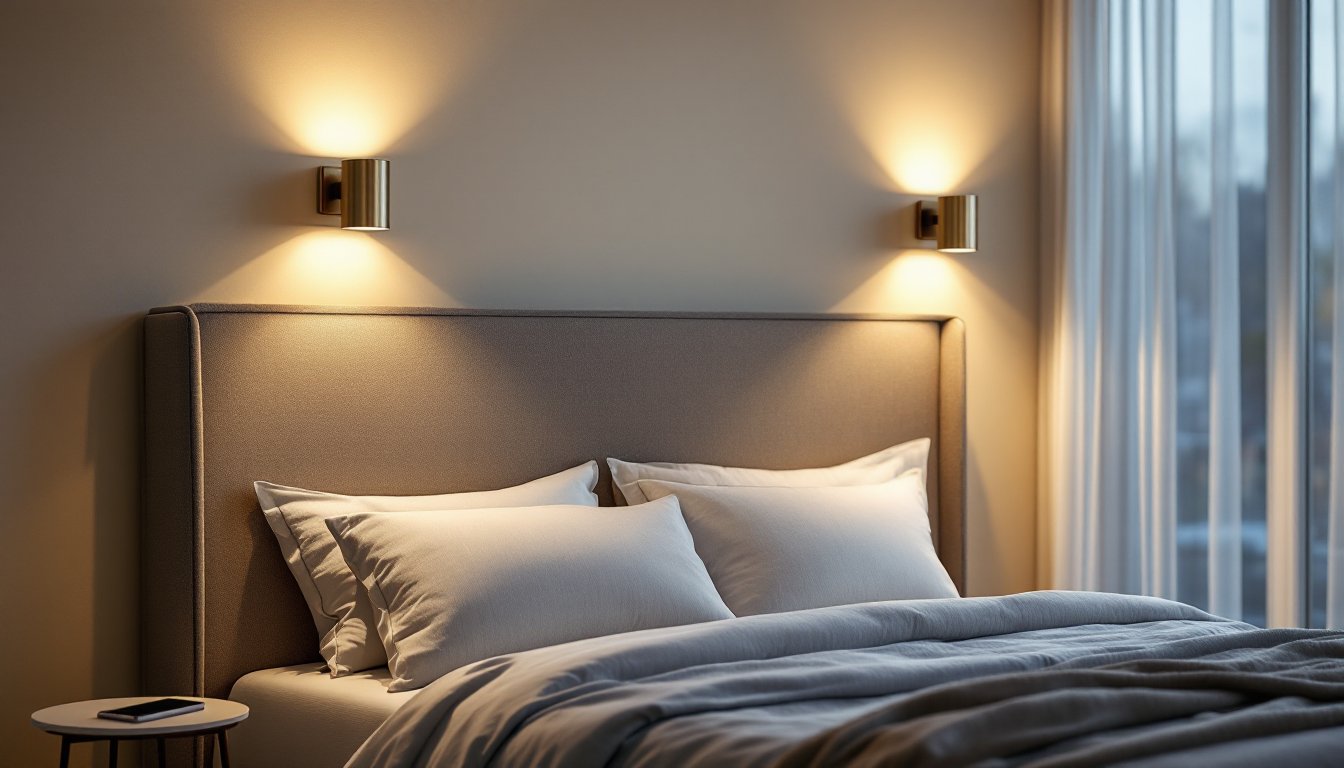

Wall sconces have become a go-to solution for homeowners looking to brighten a space with style and function. Unlike overhead fixtures that flood a room with harsh light, sconces provide layered, directional illumination that flatters any room while freeing up table and floor space. Whether someone’s updating a hallway, creating ambient bedroom lighting, or adding task lighting beside a mirror, wall sconces deliver both aesthetic appeal and practical brightness. This guide walks through selection, placement, installation basics, and energy-efficient options so that any DIYer can feel confident choosing and hanging the right sconces for their home.
Key Takeaways
- Wall sconces provide layered, directional lighting that eliminates harsh shadows and improves mood control compared to single overhead fixtures.
- Proper placement for wall sconces is typically at 60 inches from the floor (eye level) or 12–18 inches above vanities and mirrors, with consistent spacing every 6–8 feet in hallways.
- LED bulbs in wall sconces use 85% less energy than incandescent bulbs while lasting 25,000+ hours, saving $15–20 annually per fixture.
- Modern wall sconces feature clean lines and integrated LED designs, while traditional sconces offer period-style charm with replaceable A19 bulbs for flexibility.
- Safe installation requires locating studs, turning off power at the breaker, and following the manufacturer’s wiring diagram—hiring an electrician for $150–400 is worth avoiding code violations.
- Warm white LEDs (2700K) suit bedrooms and living rooms, while cool white (3000K–4000K) works best in task-focused areas like bathrooms and kitchens.
What Are Wall Sconces and Why You Need Them
A wall sconce is a light fixture mounted directly to a wall, typically flanking a mirror, framing a doorway, or sitting above a vanity. They range from single-bulb understated designs to multi-arm statement pieces and come in finishes from brushed nickel to oil-rubbed bronze.
Sconces solve a real problem: most rooms need more than one light source. Relying solely on a ceiling fixture creates unflattering shadows and limits mood control. A pair of sconces beside a bathroom mirror eliminates shadows on the face, critical for grooming tasks. In living rooms or bedrooms, sconces on either side of a bed or sofa add warm task lighting without the glare of a single overhead source.
They’re also space-savers. In a small hallway or entryway where a table lamp won’t fit, sconces provide essential task and ambient light without consuming floor space. And because they’re mounted at eye level or above, they’re accessible for bulb changes and less likely to be knocked over than freestanding fixtures.
Types of Wall Sconces: Finding Your Style
Wall sconces come in dozens of designs, but they fall into a few broad categories. Knowing the main types helps narrow the search and ensures the fixture matches both the room’s look and its lighting needs.
Modern and Contemporary Designs
Modern sconces emphasize clean lines, geometric shapes, and minimal ornamentation. Common materials include brushed aluminum, stainless steel, and matte black finishes. Many modern sconces use LED integrated fixtures, meaning the bulb is built into the unit and not replaceable, which keeps costs down and ensures consistent color temperature. Linear sconces with horizontal or vertical bars work well in hallways or over kitchen islands, while globe or cylinder sconces suit minimalist bedrooms and contemporary bathrooms. Look for fixtures rated for damp or wet locations if installing in a bathroom: these carry UL or ETL certification and stand up to moisture and humidity better than standard models.
Traditional and Vintage Options
Traditional sconces draw from period styles: Victorian, Craftsman, transitional, and farmhouse designs. They often feature frosted or seeded glass shades, brass or bronze finishes, and visible decorative elements like scrollwork or candelabra-style arms. These fixtures typically accept standard incandescent or LED A19 bulbs, giving homeowners flexibility to switch bulb types without replacing the entire fixture. Vintage-inspired sconces add warmth and character to entryways, dining rooms, and master bedrooms. A pair of traditional sconces flanking a mantel or bedroom headboard creates a collected, lived-in aesthetic that endures longer than trendy designs.
Installation and Placement Considerations
Installing a sconce means running power from an existing outlet or light circuit to the mounting location. This isn’t complicated if the wall has an existing switch-controlled outlet or light source nearby, but it does require basic electrical work and understanding of your home’s wiring.
Standard placement heights: Center the sconce at eye level (60 inches from the floor is typical) or about 12 to 18 inches above a vanity, mirror, or headboard. In hallways, consistent spacing between multiple sconces, every 6 to 8 feet, creates balanced ambient light. Hang them 8 to 10 inches out from the wall if they have visible shades or are decorative: shorter models can sit closer. Asymmetrical placement looks intentional only in rare design cases: most rooms benefit from matched pairs or evenly spaced singles.
Before drilling into drywall, locate studs using a stud finder, this ensures a secure mount and is essential if the sconce is heavy or will bear weight. Mark the location, turn off power at the breaker, and run wire through the wall to a nearby power source if no outlet exists nearby. If running new wire seems daunting, hiring a licensed electrician for $150–400 is often worth the cost to avoid code violations or fire hazards. Most sconce installations require a wall plate and mounting bracket, both of which come in the fixture kit. Follow the manufacturer’s wiring diagram closely: reversed hot and neutral wires are a common mistake that dims bulbs or prevents proper operation.
Energy-Efficient Lighting Solutions
LED bulbs have transformed sconce efficiency. A 9-watt LED produces light equivalent to a 60-watt incandescent while using 85% less energy and lasting 25,000+ hours. For a pair of sconces burning 8 hours daily, switching to LEDs saves roughly $15–20 per year per fixture, modest individually, but meaningful over time.
When choosing LEDs for sconces, match the color temperature to the room’s mood. Warm white (2700K) mimics incandescent and works well in bedrooms, living rooms, and traditional spaces. Cool white (3000K to 4000K) suits task-oriented areas like bathrooms and kitchens where clarity matters. Avoid the harshest cool whites (5000K+) unless the sconce is purely functional.
Dimmable LEDs cost more upfront but allow mood control and further energy savings when dimmed. Check that the bulb is marked “dimmable” and compatible with the fixture’s switch or dimmer. Some non-dimmable LEDs flicker or fail prematurely on dimmers, so this detail matters. Integrated LED fixtures (where the light source is built in) eliminate the guesswork but commit the homeowner to that fixture’s color temperature and brightness. Stick with reputable brands like Philips Hue, CREE, or Feit for reliability: bargain LEDs often undersell their brightness claims or fail early.
Conclusion
Wall sconces are a practical, stylish upgrade that any DIYer can handle with basic electrical knowledge and patience. Whether opting for sleek modern designs or warm traditional fixtures, the key is choosing the right height, placement, and light output for the room’s function. Pairing quality sconces with dimmable LEDs ensures years of efficient, flattering illumination. Start with one well-chosen pair and build from there, sconces reward thoughtful placement and honest assessment of what a room truly needs.