
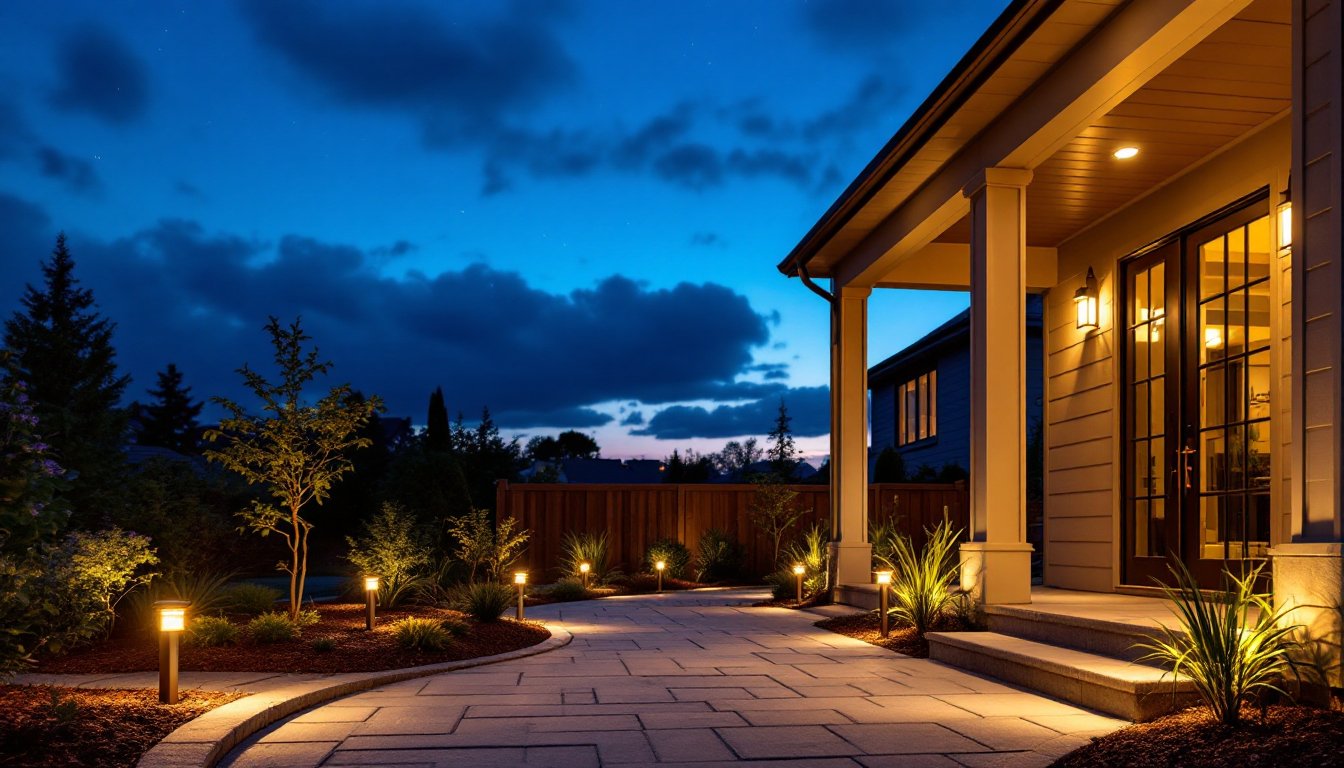

Outdoor lighting doesn’t have to be complicated. Whether someone’s upgrading a porch fixture, installing pathway lights, or refreshing their backyard setup, picking the right bulb makes a real difference in both function and long-term cost. The outdoor lighting market has shifted dramatically over the past few years, LEDs now dominate, smart bulbs offer app control, and weather-resistant options keep performance solid even in harsh climates. This guide cuts through the confusion and covers the essential specs and features to consider when shopping for outdoor lighting bulbs in 2026, so anyone can make an informed choice without overspending or undershooting on brightness or durability.
Key Takeaways
- LED outdoor lighting bulbs outperform traditional incandescent options by lasting 25,000 to 50,000 hours and using 5 to 6 times less energy, making them the practical choice for most homeowners despite higher upfront costs.
- Brightness (lumens), color temperature (Kelvin), and wattage are the three essential specs to compare when selecting outdoor lighting bulbs, with most residential spaces needing 400 to 1,200 lumens depending on application.
- Weather-resistant outdoor lighting bulbs with IP65 ratings, thermal management systems, and quality materials like borosilicate glass and aluminum bases can last 5+ years and prevent costly premature failures.
- Smart outdoor bulbs offer convenient remote control, scheduling, and color-changing features but carry higher costs ($15–$40 per bulb) and work best in high-use fixtures like front porches where automation adds real value.
- Cold climates and extreme temperatures favor LED bulbs, which perform consistently across -20°F to 120°F or wider ranges, while incandescent bulbs struggle with dimming and shortened lifespan in freezing conditions.
Understanding Outdoor Lighting Bulb Types
LED Bulbs: Energy Efficiency and Longevity
LED bulbs have become the practical default for outdoor lighting. They run cooler than older tech, waste far less energy as heat, and last 25,000 to 50,000 hours or more, meaning a typical outdoor light might run 5 to 10 years without replacement. For someone who dislikes climbing a ladder quarterly, that’s a genuine win.
One key advantage: LEDs work well in cold climates. Incandescent bulbs struggle when temperatures drop because their filaments resist electrical flow more efficiently in cold, which can dim output or shorten life. LEDs perform consistently from freezing winters to hot summer evenings. They’re also dimmable (though not all LED bulbs are, check the package), so homeowners can adjust ambiance for dinner gatherings or security lighting.
The upfront cost sits higher than incandescent, expect to pay $3 to $15 per bulb depending on features and wattage equivalency, but the energy savings and lifespan justify the investment quickly. An LED using 9 watts to replace a 60-watt incandescent bulb delivers immediate cost reduction on electricity bills.
Halogen and Incandescent Options
Incandescent and halogen bulbs still exist for outdoor use, mostly because some fixtures require their form factor or because of aesthetic preference for their warm, natural glow. Incandescents are cheap upfront (often under $2 per bulb) but burn out frequently and use roughly 5 to 6 times more electricity than equivalent LEDs. They’re worth considering only for temporary lighting or rarely-used fixtures.
Halogen bulbs sit between incandescent and LED in efficiency and lifespan. They produce a bright white light and handle dimming well, but they run hotter than LEDs, burn out faster than LEDs (lasting 2,000 to 4,000 hours), and still use significantly more energy. Halogen is most practical for spotlighting or accent fixtures where brightness and precise beam control matter more than running cost.
Key Specifications to Compare
Brightness, Color Temperature, and Wattage
When shopping for outdoor bulbs, three specs matter most: lumens (brightness), color temperature (warmth or coolness of light), and wattage (power draw).
Lumens measure actual light output. Outdoor applications typically need 400 to 1,200 lumens depending on the fixture and purpose. A pathway light might need 200 lumens, while security lighting over a driveway might require 1,000+. Most product packaging now lists lumens prominently, so compare side-by-side rather than relying on wattage alone.
Color temperature is measured in Kelvin (K). Warm white sits around 2,700K (similar to incandescent comfort), neutral white ranges from 4,000K to 4,100K (crisp and balanced), and cool white or daylight hits 5,000K and above (very bright and clinical). For most residential outdoor spaces, patios, entryways, landscaping, 2,700K to 3,000K feels inviting. Security and task lighting often benefit from 4,100K for visibility without feeling harsh.
Wattage no longer tells the whole story. An 8-watt LED can outshine a 60-watt incandescent. But, it still matters for calculating total electrical load on a circuit. Always check the package for wattage to ensure fixtures can handle the bulb’s actual draw, especially on dimmer circuits or in older homes with limited electrical capacity.
A practical tip: when replacing old incandescent outdoor bulbs, find an LED that matches the lumens rating you want, then note its wattage. This ensures consistent brightness while reducing power consumption.
Weather-Resistant and Durability Features
Outdoor bulbs face moisture, UV rays, temperature swings, and occasional impact. Durability features separate a bulb that lasts five years from one that fails in one.
Look for an IP rating (Ingress Protection), printed on the packaging. IP65 or higher indicates excellent weather resistance, these bulbs handle direct spray and heavy rain without failure. Most outdoor bulbs are at least IP54 (protection from splashing water), but anything exposed to direct weather should be IP65 minimum. The first digit rates solid particle protection: the second rates liquid ingress. A bulb labeled IP65 blocks dust and water spray from any angle.
Thermal stability matters too, especially in extreme climates. Quality outdoor LEDs have built-in thermal management (copper heat sinks or aluminum bases) that dissipates warmth and prevents premature failure in intense sun. Check if the bulb specifies an operating temperature range, reputable brands list -20°F to 120°F or wider, confirming they’ll perform in your climate.
Material quality affects longevity. Plastic housings can become brittle under UV exposure over time. Borosilicate or tempered glass lenses resist temperature shock better than standard glass. Aluminum or stainless steel bases resist corrosion far better than zinc-plated steel, especially near salt water or humid coastal environments.
Expect to pay slightly more for bulbs with robust weather ratings, but the cost difference ($3 to $7 per bulb) typically pays back in avoided replacement cycles. Cheap outdoor bulbs often fail within 1 to 2 years: mid-range quality bulbs with proper IP and thermal specs easily reach 5+ years outdoors.
Smart and Connected Outdoor Bulbs
Smart outdoor bulbs bring convenience and flexibility to yard lighting. They connect via Wi-Fi or Bluetooth, letting someone control brightness and color from a smartphone app, set schedules, or integrate with voice assistants like Alexa or Google Home.
Common smart features include remote dimming (no wall switch required), color-changing capability (millions of color options for mood or seasonal effect), scheduling and automation (lights on at dusk, off at midnight automatically), and motion detection integration (some models pair with smart sensors for security lighting). A homeowner might set their porch lights to turn on 30 minutes before sunset every evening, no manual flipping of switches.
The trade-off is upfront cost and complexity. Smart outdoor bulbs typically run $15 to $40 per bulb, require a compatible smart home hub or internet connection, and depend on app updates and cloud services. If the company discontinues the product line or shuts down its servers, the bulb might lose smart functionality. For practical outdoor work, confirm the bulb will still operate as a standard bulb if the smart features fail.
Compatibility is essential. Verify that smart bulbs match the fixture’s base type (E26, E27, GU10, MR16, etc.) and that the app or ecosystem integrates with existing smart home setup. Some bulbs require a separate hub: others connect directly to Wi-Fi. Read reviews from users in similar climate zones to confirm reliability, smart bulbs with poor outdoor weather resistance fail faster than standard bulbs, negating the convenience benefit.
For most DIYers, smart bulbs are worth it in high-use fixtures like front porch lights or patios, where scheduling and remote control add genuine value. For occasional use or buried pathway lights, standard weather-resistant LEDs deliver better reliability and cost efficiency.